15 Years: The Tipping Point for Furnace Failure Risk
Climate Central data shows warming trends that strain aging systems, while InterNACHI defines specific lifespan limits for central air and heating units.
By Bruno Morales ·
Homeowners face increasing pressure to maintain reliable indoor comfort as weather patterns intensify. The age of heating, ventilation, and air conditioning (HVAC) equipment now serves as a primary metric for predicting system reliability, energy efficiency, and remaining lifespan. Tracking these dates allows residents to shift from reactive fixes to proactive maintenance planning, reducing the likelihood of sudden breakdowns.
Extreme weather events are becoming more frequent and severe, placing additional stress on household infrastructure. Climate Central reported that temperatures have warmed by an average of 2.6 degrees Fahrenheit in 97% of U.S. cities analyzed. This warming trend makes efficient cooling and heating systems essential for year-round habitability, yet many homeowners do not know the precise age of their equipment.
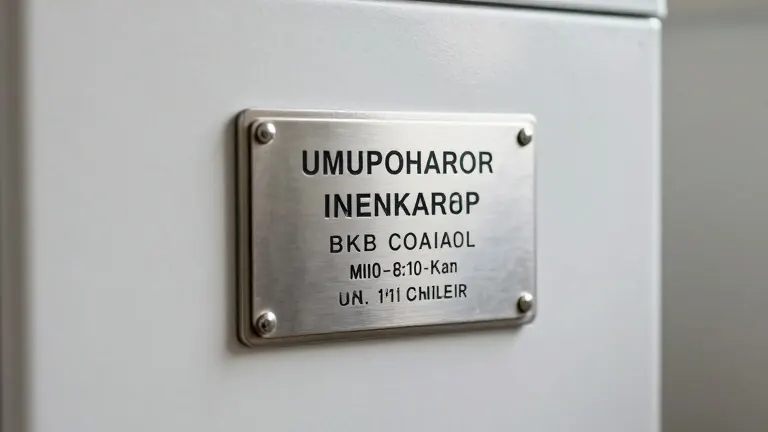
Determining the age of HVAC components requires checking the manufacturer’s nameplate, also known as the data plate. This metal or foil label is typically attached to the exterior condenser or heat pump, the indoor air handler, or the interior side of the furnace cabinet door. The label contains a manufacturing date field, usually marked as MFD, MFR DATE, or FAB.
It is important to distinguish the manufacturing date from the installation date. The installation date marks when a contractor assembled and placed the system into service. This information is generally found in the appliance manual, warranty registration documents, or maintenance tags stored inside the HVAC cabinet. While the installation date indicates when the home began using the system, the manufacturing date reflects when the unit was built, a factor that can influence component degradation over time.
The International Association of Certified Home Inspectors (InterNACHI) provides specific lifespan estimates for different HVAC components. Central air conditioning units typically last between 7 and 15 years. Furnaces have an expected lifespan of 15 to 25 years. Heat pumps generally function for 10 to 15 years. In contrast, thermostats can remain functional for up to 35 years. These figures establish a baseline for when systems become more prone to failure.
Proximity to these age thresholds correlates with increased breakdown risk. Homeowners who track the age of their units can identify early signs of emergency service needs, such as unusual noise or reduced efficiency. Recognizing that a system is aging encourages residents to schedule repairs earlier rather than treating minor issues as insignificant. This approach helps prevent unexpected failures that could leave a home without heating or cooling during extreme weather.
Proactive upkeep involves scheduling seasonal inspections. A cooling checkup in the spring and a heating inspection in the fall allow technicians to assess system health before peak usage periods. These visits help determine whether necessary repairs can extend the life of the current unit or if a replacement is already required. This strategy minimizes the risk of emergency service calls during critical weather windows.
Knowing the age of HVAC units informs decisions regarding repair versus replacement. Older systems often consume more energy and perform less efficiently than newer models. By monitoring the manufacturing date on the data plate, homeowners can align their maintenance budgets with the expected remaining life of their equipment. This data-driven approach ensures that indoor living spaces remain comfortable and energy-efficient throughout the year.
More Business · Bad Service · Report a business · Got a Story?