Antalya Summit Collapse: EU Withdraws Over Fossil Fuel Silence
European negotiators exited the final session after representatives from nearly 200 nations failed to include language on reducing coal, oil, and gas use in the draft accord.
By Evelyn Ellis ·

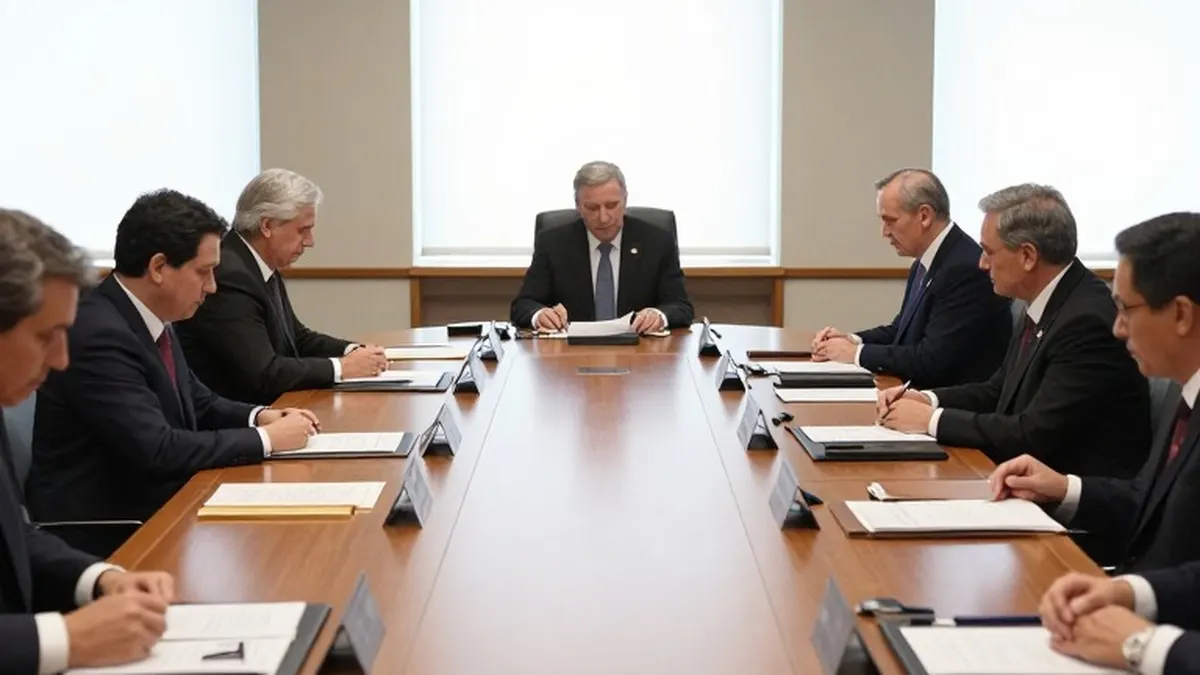
European Union representatives left the negotiating room in Antalya, Turkey, on Sunday, ending the international climate summit in deadlock. The bloc withdrew after failing to secure a commitment in the final text to transition away from fossil fuels. This exit occurred during the final overtime hours of the conference, which involves delegates from nearly 200 countries.
The dispute centered on whether the agreement would explicitly reference the reduction of energy sources such as coal and natural gas. These fuels account for roughly 73% of global emissions. EU climate chief Wopke Hoekstra stated that the union could not tolerate a final document that omitted these primary drivers of warming. "That is not acceptable," Hoekstra told reporters. "We do that with a heavy heart with many other countries, but we simply cannot accept this."
The EU's departure prompted other nations to voice similar objections. Panama and several island states, including the Marshall Islands, also rejected the draft language. The collective resistance marked a sharp break in the procedural flow of the summit as the clock ran out on the negotiating window.
This session is the first United Nations climate conference to take place with scientific consensus that the world will surpass a key warming threshold. In 2015, participating nations agreed to limit temperature increases to 1.5 degrees Celsius, or 2.7 degrees Fahrenheit. Current data indicates the planet has essentially already reached that limit.
Crossing this threshold increases the frequency of severe climate impacts, including intense hurricanes and heat waves. The United Nations reports that even a best-case scenario of reaching 1.7 or 1.8 degrees Celsius requires immediate emission cuts. Specifically, global emissions must fall by 45% by 2035 to stay within that range. Scientists note that achieving this reduction requires a dramatic decrease in fossil fuel consumption.
Mohamed Adow, a representative for the nonprofit Power Shift Africa, commented on the rejection of the draft. "It's good that that decision has been rejected," Adow said. He argued the text lacked sufficient measures to protect populations that are most vulnerable to climate change. These groups have contributed the least to the problem but are currently suffering the worst effects firsthand.