Fed holds rates at 4% as inflation reaches 3.7%
The central bank maintains its benchmark rate ahead of midterm elections, citing persistent price pressures and election-week caution.
By Bruno Morales ·
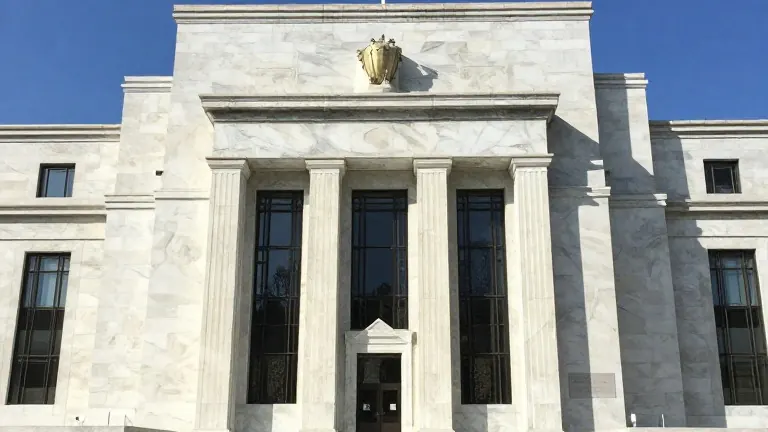
The Federal Reserve kept its benchmark interest rate at 3.75% to 4.00% on Wednesday, maintaining the level it set during its previous meeting. This decision follows a rise in the consumer price index for September, which pushed the annual inflation rate to 3.7%. The central bank’s action concludes its October meeting cycle days before the midterm elections.
Heather Long, chief economist at Navy Federal Credit Union, stated that inflation remains the primary economic problem in the United States. She noted that signs indicate price increases are becoming more widespread. Long added that the timing of the decision aligns with historical Fed behavior during election weeks, where the bank typically avoids hikes.
The Fed last increased rates by 25 basis points in September, its first move of that kind since 2023. Market participants priced in a low probability of another immediate increase. According to the CME Group's FedWatch tool, fewer than 10% of fed funds futures indicated a further quarter-point hike at this week's meeting. However, nearly 75% of contracts implied at least one additional hike by the end of the year.
Kevin Warsh, the Fed Chairman, has maintained a focus on reducing inflation to the 2% target. Aditya Bhave, an economist at Bank of America, warned in a research note that a hold could lead markets to question the bank's commitment to fighting inflation. The current rate environment directly influences what banks charge for overnight loans, which then cascades into consumer borrowing costs.
Higher benchmark rates have raised the cost of variable-rate credit. The average interest rate on new credit card offers currently stands at 23.96%, according to LendingTree. These rates track closely with the federal funds rate, meaning they will remain near current levels as long as the Fed holds steady. Consumers carrying balances on these cards face sustained monthly payments.
Long-term borrowing costs are influenced less by the Fed's immediate decisions and more by Treasury yields and inflation expectations. The yield on the 10-year U.S. Treasury has hovered near 5%, keeping the average 30-year fixed mortgage rate close to 7.4%, according to Mortgage News Daily. Mark Zandi, chief economist at Moody's, observed that these elevated long-term rates are weighing heavily on homebuying and vehicle sales.
Auto buyers are responding to high financing costs by taking out larger loans and extending repayment terms, according to Edmunds. Federal student loan rates for new borrowers are already set higher for the current academic year based on the May auction of 10-year Treasury notes. These fixed rates will remain constant for the duration of the loans.
Savings account holders continue to see returns from the higher-for-longer rate environment. Yields on high-yield savings accounts and other deposit products remain attractive due to the elevated federal funds rate. This provides a direct benefit to savers who keep funds in these accounts.
More Business · Bad Service · Report a business · Got a Story?