Homeowners Place Laurel Leaves on Windowsills for Protection and Pest Control
Feng Shui practitioners advise placing the aromatic herb in entryways to filter energy and repel insects, a trend gaining traction in residential spaces.
By Evelyn Ellis ·
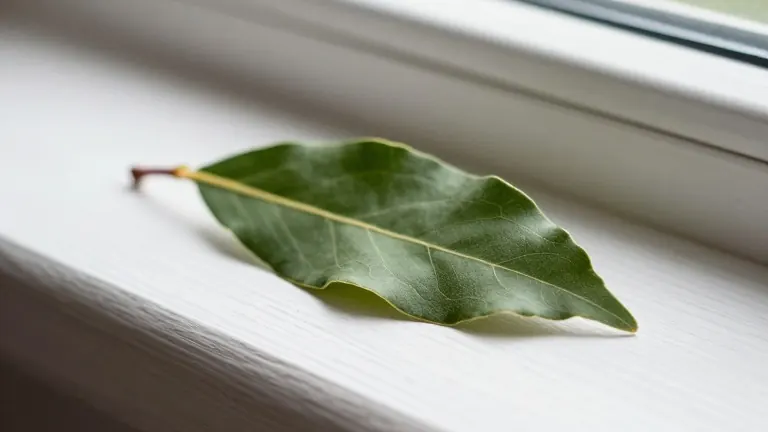
Homeowners in various regions have begun placing fresh leaves of the bay laurel plant directly onto their windowsills. This practice, driven by followers of Feng Shui, aims to improve the energy flow within a home. Proponents believe the leaves serve as a barrier against negative influences while offering practical household benefits.
Feng Shui is an ancient Chinese discipline focused on arranging physical spaces to allow Chi, or life force, to move freely. Within this system, the laurel is considered a sacred plant. It symbolizes wisdom, protection, and prosperity. Placing its leaves near windows is viewed as an ancestral tradition. Advocates argue that windows act as primary channels for energy entering a room. The leaves function as a natural filter, stopping external tensions and envy from entering the living space.
Beyond spiritual beliefs, the plant offers tangible advantages for residents. The leaves measure between three and nine centimeters in length. They possess a rigid texture and release a strong, penetrating aroma. This scent contains essential oils that contribute to a fresh atmosphere. The same volatile compounds act as a natural deterrent for pests. The aroma is particularly effective against flies, cockroaches, and mosquitoes, helping to keep these insects away from food and sleeping areas.
The use of laurel extends beyond simple decoration. People utilize the leaves in cooking to add flavor to dishes. They are also brewed into infusions for medicinal purposes. Some individuals use the dried leaves to ward off rodents. The plant has gained popularity in recent times due to its dual utility in both wellness practices and home maintenance.
Practitioners suggest maintaining the leaves in entryways and open windows to invite abundance and success. The presence of the herb is intended to decree good fortune for the household. While the spiritual aspect remains subjective, the scent and pest control features provide immediate, observable results for those who adopt the habit.
No specific schedule for replacing the leaves was provided in the guidance. The practice relies on the continuous release of the plant's oils. Homeowners are encouraged to keep the leaves visible to maximize both the energetic and practical effects.