Popocatepetl ash threat looms over six Mexican states
Civil Protection agencies monitor wind patterns as the volcano enters Yellow Phase 2, prompting specific safety measures for residents in the capital and surrounding regions.
By Bruno Morales ·
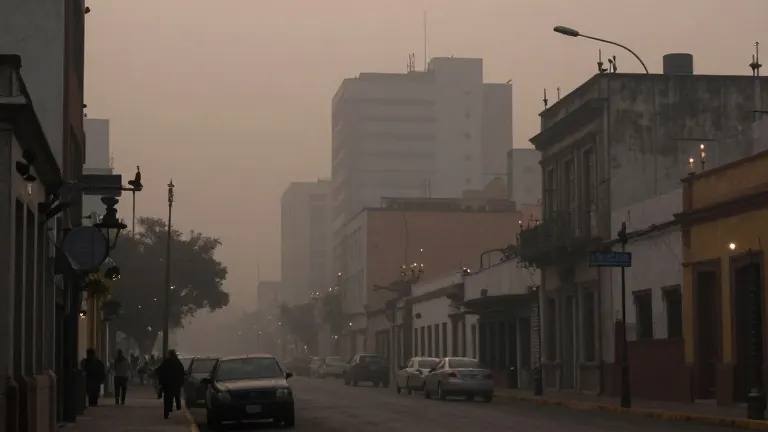
The Popocatepetl volcano produced intense activity during the early hours of Tuesday, November 10, prompting Civil Protection authorities to issue warnings about potential ashfall. The volcano is currently classified in Yellow Phase 2 of the alert system. This status indicates an increase in volcanic activity but does not require immediate evacuation of nearby areas.
Officials are closely tracking wind trajectories to determine where ash particles will travel. Forecasts indicate that volcanic ash could settle in six states across the country. The affected regions include Puebla, the State of Mexico, Mexico City, Tlaxcala, Morelos, and Veracruz. Residents in these areas are advised to stay alert and follow local government instructions.
Data from the past 24 hours shows specific indicators of volcanic unrest. The National Center for Disaster Prevention (CENAPRED) recorded 111 exhalations from the volcano. Additionally, the instrument measured 95 minutes of tremor. These figures support the current Yellow Phase 2 status, which suggests elevated activity levels without an imminent threat of eruption.
Authorities in Mexico City have released detailed guidelines for residents to protect themselves against ash exposure. People should wear face masks or cover their noses and mouths with scarves when going outside. For eye protection, residents are told to wear glasses with frames and avoid using contact lenses. Keeping pets indoors with their food and water bowls is also recommended to limit their exposure.
Homeowners must take steps to prevent ash from contaminating their living spaces. Water storage tanks, cisterns, and reservoirs should be covered to keep ash out of the supply. Doors and windows should remain closed, and damp cloths can be placed in gaps to seal against fine particles. Outdoor food and drains should also be covered to prevent blockages or contamination.
Cleaning ash requires a dry method to avoid structural damage. Residents are instructed not to use water, as wet ash can solidify and clog pipes and drains. Instead, ash should be swept up with a broom and placed in plastic bags. These bags should then be discarded with non-recyclable waste. Local civil protection agencies urge citizens to rely on official channels for information and to avoid spreading unverified reports.