Prisoners vote at near-record rates while crime bosses pick sides in Knesset race
With 88.7% of eligible inmates casting ballots, associates of organized crime figures reveal support for both Arab lists and a left-wing candidate.
By Andres Smirnov ·
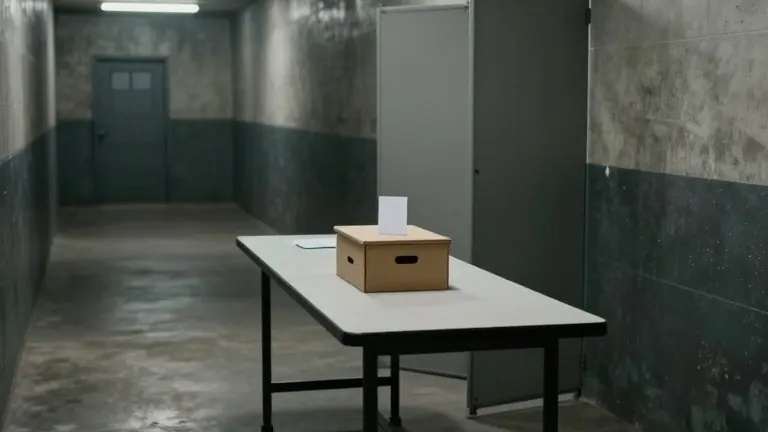
Polling stations inside Israeli detention facilities closed at 8 p.m. on Wednesday, with the Israel Prison Service reporting an 88.7% voter turnout among eligible prisoners and detainees. This high participation occurred while associates of prominent organized crime figures publicly disclosed their political leanings for the upcoming Knesset elections.
The alignment of these criminal leaders with specific political parties varies widely, defying a single narrative of underworld politics. Sources close to the Jarushi family, linked to one of Israel's most prominent crime organizations, indicated support for Ra'am and the Joint List. In a different direction, associates of Eitan Hiya stated his preference is for Yair Golan, a leading figure on the Israeli political left.
These preferences were shared in conversations with Walla on Wednesday. The sources emphasized that the information comes from close associates and does not verify the actual ballots cast by the individuals. There is no unified political camp within the criminal underworld, and affiliation with a specific crime family does not guarantee a shared voting pattern.
The legal framework governing these voters has evolved recently. The Law for the Protection of the Public from Criminal Organizations, effective at the end of 2024, empowers courts to impose restrictions on individuals operating within criminal organizations even without a formal indictment. These measures can include staying away from certain areas, home confinement, and contact prohibitions, provided strict legal conditions are met.
Voting in the prisons was coordinated with the Central Elections Committee following operational preparations led by IPS Commissioner Kobi Yaakobi. Judges and official observers visited detention facilities throughout the day. The process relied on secret ballots under strict security and public order measures.
The state continues to use legal tools to restrict the activities of criminal organizations while allowing their members to participate in the democratic process. The Knesset, which is currently being elected, holds the power to determine the legal mechanisms available to the state in its fight against organized crime.
As long as the right to vote remains intact, the ballot cast by someone associated with the criminal underworld carries the same weight as that of any other eligible citizen. This status persists despite police monitoring and State Attorney restrictions, placing investigators and the investigated in the same voting booths.