Riverside's preapproved blueprints save builders $10,300
A UC Riverside survey of 59 California cities found that preapproved designs for smaller housing projects cut design costs and shorten permitting timelines by nearly two months.
By Bruno Morales ·
Builders in California save an average of $10,300 in design and related costs when they use preapproved building plans, according to a study released by UC Riverside on October 30, 2026.
The survey, conducted by the UCR Center for Community Solutions, also found that these plans shorten the design and permitting process by approximately 53 days. Cities reported that preapproved plans were processed 2.8 times faster than conventional building plans.
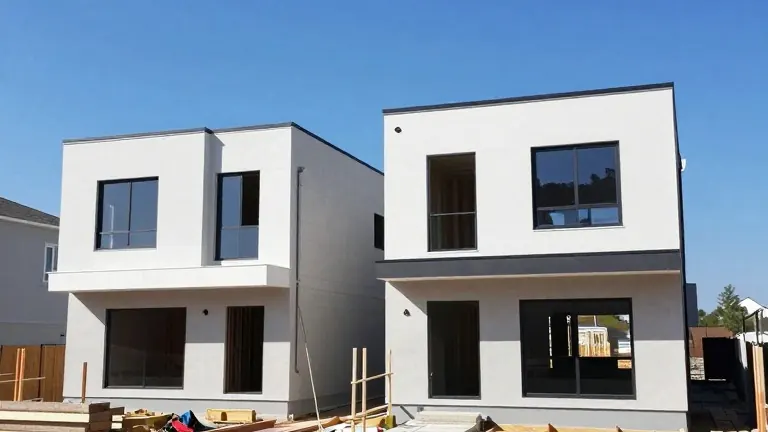
The study focuses on the City of Riverside, where the City Council approved a new program in June. The initiative offers preapproved designs for duplexes and bungalow courts to reduce development uncertainty. By completing technical review before property owners apply for permits, the city aims to lower costs for middle-income households. The duplex design features two units of about 1,300 square feet each, with three bedrooms and two bathrooms. The bungalow is 1,000 square feet, with two bedrooms, two bathrooms, and a private patio. Both designs include a ground-floor bedroom and bathroom.
Kristen Kopko, research manager at the center and lead researcher on the study, noted that most cities responded affirmatively that they have seen time and cost savings. The findings suggest that preapproved plans could help expand what housing experts call missing middle housing. This category includes duplexes, townhouses, and bungalow courts that fall between single-family homes and large apartment buildings.
The researchers surveyed 89 California jurisdictions, with 59 responding. Most preapproved plans offered by these communities were for accessory dwelling units, or ADUs. The responding communities reported about 500 ADUs permitted or constructed using these plans. Only four jurisdictions offered preapproved designs for housing beyond ADUs, and just one reported permitting such a project, a triplex.
Cost savings varied widely. While the average reported savings was $10,300, amounts ranged from a few thousand dollars to $45,000. Some cities provided publicly funded plans at no charge, while others offered privately owned designs that property owners had to purchase or license. Kopko cautioned that savings reported for ADUs cannot necessarily be expected for larger housing projects.
The study authors, including Kopko, Justine Ross, Jayden Li, and Qingfang Wang, recommend tracking how often the plans are used and whether projects reach construction. Kopko said the approach could be useful in communities with vacant land suitable for infill development. If a city has vacant lots, a plan like this could help remove blight or revitalize an area.