Senate clears 62-33 to overhaul energy permits
The bill streamlines federal reviews for power lines and data centers, but faces a uncertain path in the House.
By Bruno Morales ·
The Senate approved a sweeping rewrite of federal environmental rules on Thursday, voting 62 to 33 to fast-track approvals for major infrastructure projects. The legislation targets the bureaucratic hurdles that have delayed construction for years, with supporters arguing it is necessary to meet surging electricity demand. Critics contend the changes strip communities and tribes of key legal tools to challenge polluting developments.
The bill amends several landmark statutes, including the National Environmental Policy Act, to shorten review timelines. It would exempt certain pipeline and power line expansions from full impact studies if they follow existing routes. A major provision prevents courts from halting construction if they find an environmental review inadequate. Instead, judges can only order agencies to update the paperwork while work continues. Industry groups pushed for this rule, but environmentalists warn it removes a primary enforcement mechanism.
The measure passed with broad Republican support and from 15 Democrats. Senators Mike Lee of Utah and Shelley Moore Capito of West Virginia negotiated the text with Democrats Sheldon Whitehouse of Rhode Island and Martin Heinrich of New Mexico. Whitehouse stated that voters demanded results on affordability. He noted that electricity prices have risen by roughly one-third since 2019 and that this legislation could lower rates by making it easier to expand energy supplies.
Opposition came from environmental groups, 17 Democratic state attorneys general, and Native American tribes. Tribal leaders criticized changes to the National Historic Preservation Act, which governs federal consultation on projects affecting culturally significant areas. The bill narrows these reviews, reducing tribal input into new industrial developments. Senators Jeff Merkley and Ron Wyden of Oregon blocked last-minute amendments intended to address these concerns. Merkley called the vote an outrageous abuse of democracy, while Sen. Ruben Gallego of Arizona said the bill could have been much better.
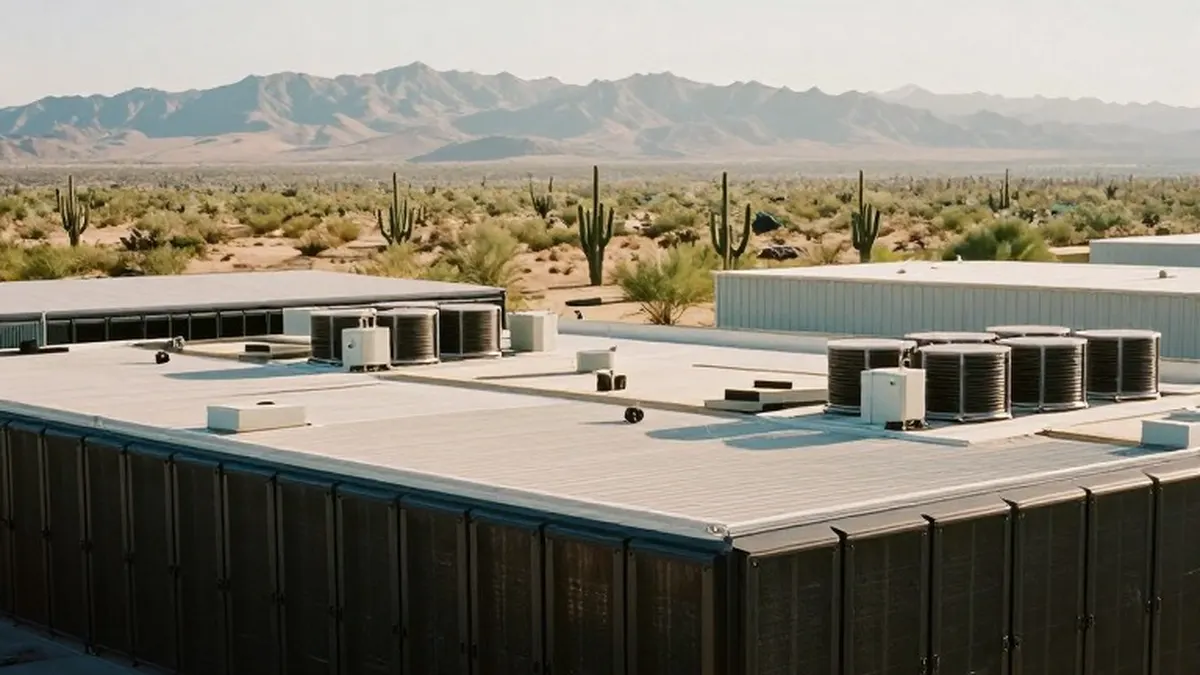
The legislation also aims to expand the electric grid by giving the federal government greater authority to site transmission across state lines. It includes a provision to charge data centers higher electricity rates. One study estimated this could save tens of billions of dollars for ratepayers over the next decade. The bill must now pass the House, where the timeline is tight before the new Congress convenes in early January. President Trump has indicated he will sign the bill if it reaches his desk.
Sen. John Barrasso of Wyoming expressed confidence in the bill's future. He said there is bipartisan support and that the administration will get the votes needed in the House. The final text includes clauses to prevent future presidents from rescinding permits for approved projects. Legal experts have warned that these provisions are ambiguously written and could create unintended consequences for future pollution regulations.