UK Government to Impose National Rules for Shared E-Bike Operators
A new consultation aims to standardize parking and insurance requirements for rental e-bikes, addressing pavement blockages and liability gaps.
By Bruno Morales ·
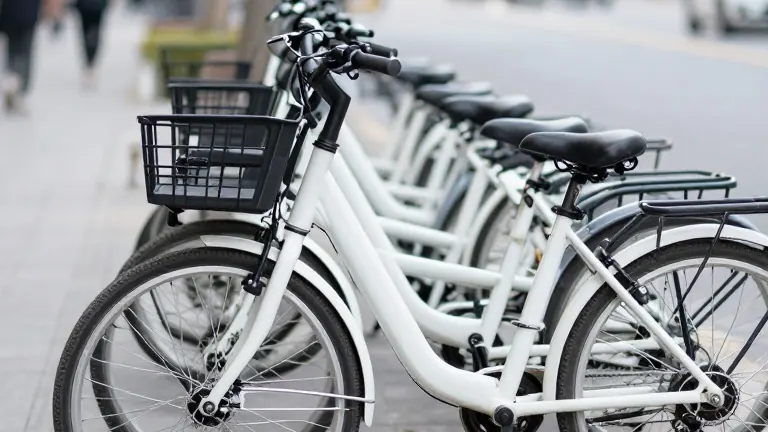
More than 2.6 million Britons used shared e-bike schemes in the year ending September 2025. The Department for Transport is launching a consultation to replace the current patchwork of local arrangements with national standards for these rental services. The move targets specific operational friction points, including inconsistent parking zones and unclear liability rules.
Parking requirements currently vary by locality. Some areas mandate that bikes from operators like Lime, Forest, and Voi be returned to designated bays, while others enforce looser guidelines. This inconsistency has led to complaints about bikes blocking pavements, creating obstacles for wheelchair users, pedestrians with pushchairs, and individuals with visual impairments. The consultation will examine how to standardize these physical constraints to reduce street clutter.
The review will also address riding behavior and fleet management. Ministers plan to consider guidance on fleet sizes to prevent excessive concentrations of bikes in specific districts. It will explore rules against antisocial conduct, such as passing red lights and operating vehicles while underage or intoxicated. Additionally, the proposal includes potential mandatory insurance for operators. This would allow individuals struck by hired e-bike riders to seek direct financial compensation.
Financial and data controls are under scrutiny. The department is weighing whether councils and mayors should gain authority over rental pricing. It is also considering requirements for operators to share usage data. Such information could aid in enforcement efforts and long-term transport planning. Transport Secretary Heidi Alexander stated that the schemes need to work for the communities hosting them, allowing local leaders to address nuisance parking and behavioral issues.
The market has expanded rapidly since these services arrived in the UK in 2018. London remains the primary hub, with Lime identified as the largest operator. Evidence suggests these services attract a wider demographic than traditional bicycle ownership. Electric assistance lowers the physical barrier to entry, and users do not require secure storage for a personal bike.
Prime Minister Andy Burnham characterized the proposed changes as a small but important everyday fix to make streets safer. He noted that while e-bikes ease travel, pavement obstructions and irresponsible use cause frustration. His administration aims to give communities greater control over parking and ensure operators and riders follow established rules.
In London, a separate process will transfer powers from the central government to Mayor Sadiq Khan and Transport for London. This shift aims to bring consistency to rules that currently differ between boroughs. Khan welcomed the plans, citing challenges in safety, parking, and data access. He noted that he has sought powers to manage dockless schemes since the first services arrived in the city in 2017.
More Business · World news · Bad Service · Report a business · Got a Story?