Winter mood shifts affect 1 in 20 Americans, experts say
New guidance from a pioneering psychiatrist and a Salk Institute researcher outlines how to identify and manage seasonal affective disorder as winter approaches.
By Bruno Morales ·
One in 20 people in the United States suffers from seasonal affective disorder, a condition that typically impacts individuals for about 40% of the year. The American Psychiatric Association notes that the syndrome involves feeling sluggish, depressed, and uninterested in previously enjoyable activities. Many others experience the winter blues, a milder version where they feel sadder, sleepier, and slower.
Dr. Norman Rosenthal, a psychiatrist who coined the term for the disorder in 1984, explains that the symptoms often escalate gradually as daylight shortens. He describes the pattern using the analogy of a frog in a bowl of water that slowly warms up. The frog does not realize the temperature is rising until it is too late. Rosenthal warns that this incremental worsening can make it difficult for people to recognize when they need help.
Women are approximately four times more vulnerable to the condition than men, and it is more common in the Northern Hemisphere. Rosenthal says that people who are quite disabled by the seasonal changes are the ones who typically seek medical attention. One of his patients described the feeling as wanting to hibernate like a bear in the winter. Rosenthal suggests that identifying with that hibernating bear sensation may indicate the presence of the disorder.
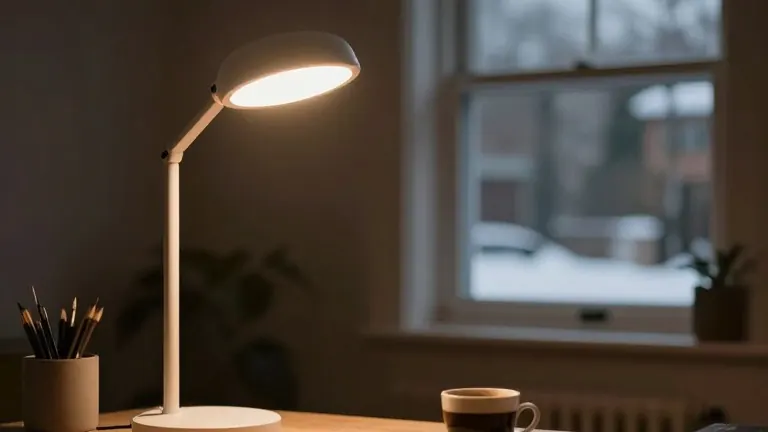
Light therapy is a primary recommendation for those who need more illumination. Rosenthal advises using a lamp that produces about 10,000 lux of light, which is far more intense than standard indoor lighting. The light should be absorbed through the eyes, not the skin. He recommends placing the lamp so it shines down on the user, mimicking sunlight from above. Using the lamp for 20 to 30 minutes a day, preferably in the morning, can produce a difference within two weeks.
Emily Manoogian, a clinical researcher at the Salk Institute for Biological Studies, points out that people with the disorder often have a delayed circadian rhythm. She explains that food acts as a cue to the body, signaling that it should be awake. Manoogian recommends stopping eating three hours before sleep to help the body rest. Keeping food intake within a consistent 10 to 12 hour window provides a strong signal to the internal clock.
Physical activity serves as another environmental cue that helps regulate the body's internal timing. Manoogian says exercising during the active part of the day stimulates the brain to be awake at the right time. Rosenthal notes that a lack of activity in cold, dark months can create a vicious cycle where people pull covers over their heads, receive less light, and feel more depressed. Pushing through to get moving can help break that cycle.
Stress is a third main cause of the condition, alongside genetics and light deficiency. Rosenthal says stress often arises from a lack of motivation and feeling ineffective. He suggests reducing stress by decorating with bright colors, seeing a therapist, or trying meditation. While the specific effects of meditation on the disorder have not been fully studied, Rosenthal believes it can be helpful. If simple tips do not improve the situation or if the disorder interferes with work and relationships, medication can be effective.
Rosenthal notes that while these measures do not cure the disorder, they can make the condition less noticeable. He compares the management of the syndrome to letting it die of neglect. The goal is to proactively manage the symptoms rather than waiting for them to worsen each winter.