Desert flora: Study projects sharp decline in cactus populations
Researchers warn that nearly 1,000 species face higher risks of extinction as drought models show worsening health outcomes.
By Andres Smirnov ·
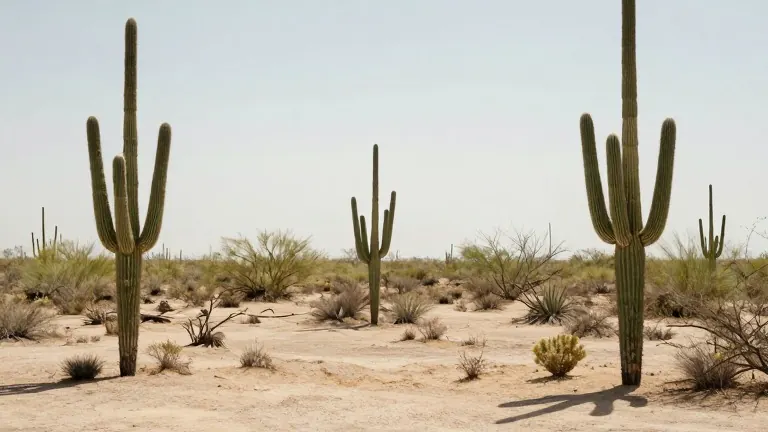
Cactus species across the Americas are at a higher risk of becoming critically endangered if extreme drought conditions persist, according to a new study led by the University of Arizona and the University of South Florida. The research indicates that future generations in the Southwest may see a substantial reduction in cactus numbers, including the iconic saguaro.
The team modeled the impact of long-term heat and drought on nearly 1,000 cactus species. When severe drought scenarios were added to the climate models, the outlook for plant health deteriorated. Michiel Pillet, a lead author on the project, stated that the findings point to tangible losses in wild populations. He described the shift in disease prevalence among these plants as a move from six out of ten species being affected to seven out of ten.
Pillet noted that the affected plants are in worse condition than previous estimates suggested. Researchers have observed that cacti are blooming less frequently, and those that are showing signs of illness are suffering more severely than expected. Pillet expressed a firm belief, grounded in the scientific data, that some species will be lost in the wild.
The implications of this decline extend beyond the plants themselves. Pillet explained that animals rely on cacti for shelter and food, meaning that a loss of these species will impact the broader ecosystem. Arizona researchers also reported increased instances of heat-related illness in cacti around the Phoenix Valley over the past year, providing local context for the global model findings.
The study serves as a warning for conservation efforts in arid regions. By quantifying the specific shift in species vulnerability, the research provides a concrete baseline for how climate stressors are altering desert biology. The data underscores that the health of cactus populations is a key indicator of environmental stability in the Americas.