Palisades owners dispute LADWP bills
Homeowners in the fire-affected area report high water costs for vacant homes, while LADWP cites standing infrastructure.
By Bruno Morales ·
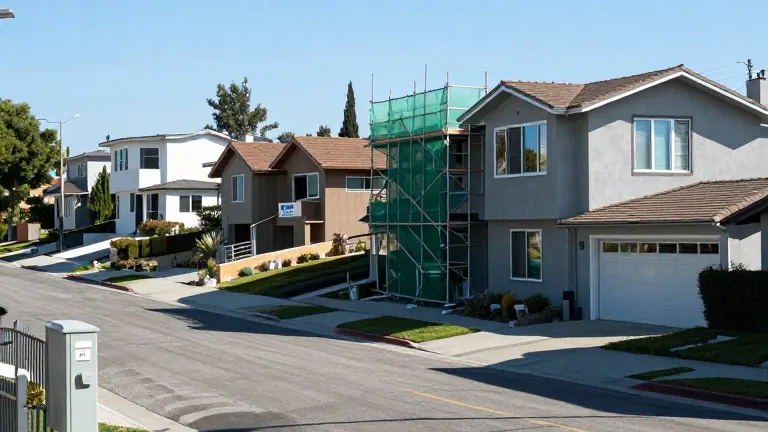
More than eighteen months have passed since the Palisades Fire, and residents are now facing utility costs that contradict their living situations. Roxana, a homeowner in Pacific Palisades, returned to her rebuilt house after it was reconstructed following toxic smoke damage. She stated that while the home sat vacant during construction, her water bills from the Los Angeles Department of Water and Power were four or five times higher than her pre-fire usage. Despite having all sprinklers shut off and no one living or working on the property, LADWP meter readings indicated water usage and suggested a leak.
Roxana noted that many neighbors with standing homes report similar experiences. Mary-Katherine Haar and Scot Norred, a couple whose fire-damaged home remains unsafe for occupancy, contacted LADWP regarding their own high bills. The utility suggested a leak, but Haar said a plumber and a contractor inspected the property and found no running toilets or other sources of water loss. Norred questioned why costs remained high for a family of six that has been displaced from the home for nearly two years.
LADWP explained that the couple's utility usage and bills have declined since the fire compared to 2024 levels. The department stated that the property's pool, irrigation system, standby generator, and security cameras continue to consume water and electricity even when the house is unoccupied. For Roxana, the spike in water bills decreased once repair and remodeling work began at her property. Both families reported difficulty understanding LADWP pricing tiers while managing the stress of rebuilding.
Former LADWP General Manager Marty Adams commented on the department's recent efforts to clarify billing for customers. He said it makes sense to ensure people understand what is driving their costs. Adams also addressed growing calls for an audit of LADWP, stating that such a review provides an opportunity to examine whether cost-driving decisions align with expectations. He described the current situation as a moment to take an honest look at the separation between decision-making and final price tags.
The push for greater scrutiny coincides with actions by Los Angeles City Controller Kenneth Mejia. Mejia has directed his team to examine ways to start an audit of LADWP, despite budget cuts to the controller's Audit Services Division. He is also seeking funding for a comprehensive review of the department from Mayor-elect Nithya Raman. As questions about utility charges persist, some homeowners are demanding clearer answers about oversight.
Haar expressed the frustration of many residents by asking who is in control of the utility's operations. She questioned who is pulling the strings, who is in charge, and who is monitoring or auditing the department. These inquiries come as the city and its residents navigate the long-term financial and structural aftermath of the Palisades Fire.