Florida early voting tops 5.1 million as turnout trends exceed 2022 levels
Polls show a split in voter motivation by age and party, with affordability and foreign policy cited as key factors in the upcoming midterms.
By Bruno Morales ·
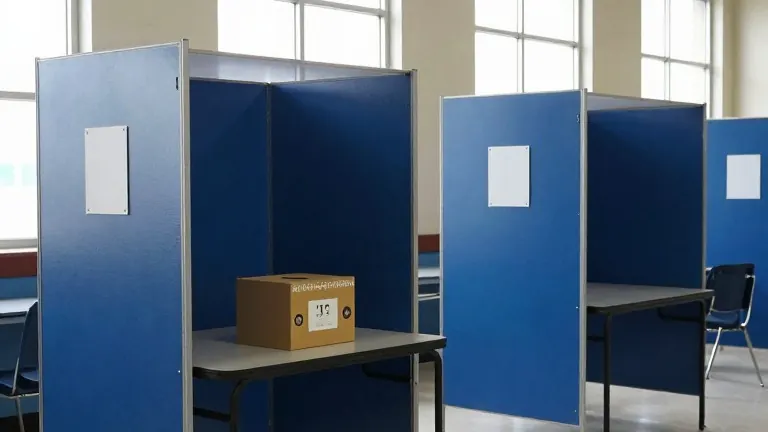
More than 5.1 million Florida residents have cast ballots early or by mail ahead of Tuesday's midterm election. According to the Florida Division of Elections, this pace is on track to surpass the nearly 7.8 million votes recorded in the 2022 cycle.
Sean Freeder, an associate professor at the University of North Florida and director of the Public Opinion Research Lab, described the current environment as a high turnout election. He noted that while multiple voting weeks may influence behavior, the presence of President Donald Trump in the national conversation is a primary driver. Freeder observed that voters often treat midterms as a referendum on the sitting president, even when he is not on the ballot.
Voter priorities differ sharply by age and party affiliation. Among Democrats, the top concerns cited are affordability, the ongoing conflict with Iran, and corruption. Republicans, however, show a distinct age-based divide. Michael Fusella, a recent University of South Florida graduate, identified affordability, immigration, and foreign policy as his main issues. He expressed dissatisfaction with the Iran conflict, describing it as an unplanned foreign policy error.
In contrast, Laura Casati, a resident of Tallahassee who works with horses, viewed the Iran war as necessary and dismissed higher fuel prices. She stated that she is accustomed to high gas costs and believes Trump will restore oil reserves. Freeder pointed out that older voters tend to remain loyal to the party despite disappointment, while younger voters are more likely to break ranks at their first sign of failure.
In the U.S. Senate race, Democrat Angie Nixon trails incumbent Republican Ashley Moody by four points according to UNF polling. Freeder noted that this margin is competitive compared to the larger Republican victories in previous cycles. Polls indicate that voters are more concerned about Moody's involvement in the Hope Florida scandal than about Nixon's alignment with democratic socialism.
In the governor's race, Democrat David Jolly is within two points of Republican Byron Donalds. Freeder assessed that Jolly is in a strong position to be competitive, suggesting that his moderate stance is attracting cross-party support. This dynamic contrasts with the Senate race, where younger Democratic enthusiasm for Nixon may drive higher turnout without necessarily guaranteeing a victory.