GOP Sen. Mike Rounds leads Senate pushback against Trump's daylight saving time plan
Leaders block House-passed legislation despite President Trump's public pressure, citing late winter sunrises in northern states.
By Andres Smirnov ·
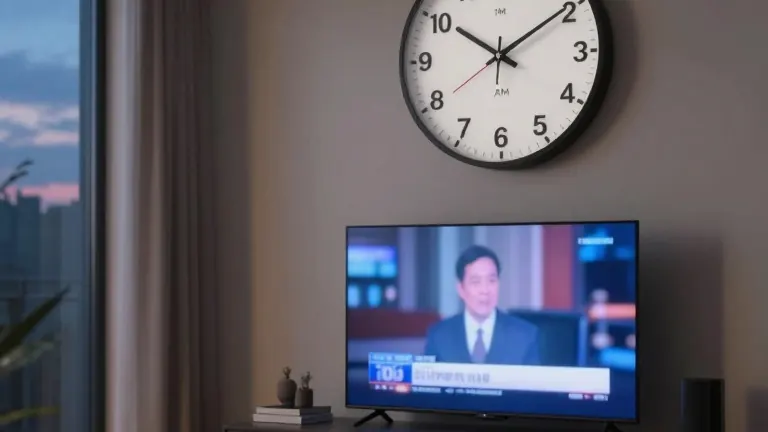
Americans turned their clocks back an hour early Sunday as daylight saving time ended, but the debate over abolishing the practice remains stuck in the Senate.
The chamber is unlikely to vote on the House-passed bill before the end of the year, effectively defying President Trump’s push to make the change permanent.
Republican senators from northern states are leading the opposition. They argue that permanent daylight saving time would cause sunrises to fall after 9 a.m. in winter. South Dakota Sen. Mike Rounds described the impact on families, stating, “You’d be sending kids to school in the dark.”
President Trump has applied public pressure on the Senate to pass the bill. In social media posts earlier this month, he targeted Arkansas Sen. Tom Cotton, who is a member of GOP leadership. Trump posted his personal cellphone number and ordered Cotton to “GET IT DONE!” Cotton remained vocal in his opposition, noting that Congress has tried this before and repealed it when Americans complained about late sunrises.
Senate Majority Leader John Thune has not publicly weighed in on the current House bill, though he voted against similar versions in the past. Sen. Todd Young of Indiana described the legislation as a “non-starter” for Senate Republican leaders. Ohio Sen. Bernie Moreno was more direct when asked if the bill would pass soon, answering, “No way.”
Supporters of the change argue that it provides more daylight during the afternoon when most Americans are active. Florida Sen. Rick Scott, who signed state legislation in 2018 to keep Florida on daylight saving time, leads the effort in the Senate. He called the twice-yearly clock change an unnecessary annoyance for families. Massachusetts Sen. Ed Markey also supports the move, citing negative impacts on the economy and health.
The proposal has historical precedent. In 1973, Congress passed a law instituting permanent daylight saving time during an energy crisis. That law was repealed by October of that year as public support dropped. An AP-NORC poll last year found that only 12% of American adults support the current system, while nearly half oppose it.