Mashed potatoes lead holiday side dishes
The dish appears on 71 percent of Thanksgiving tables, with specific potato varieties and tools recommended for the best texture.
By Andres Smirnov ·
Mashed potatoes remain the preferred side dish for Thanksgiving dinners in the United States, served at 71 percent of holiday tables. This preference places the dish ahead of the turkey, which many diners might skip in favor of the starch. The article, published on November 8, 2026, offers specific guidance on selecting ingredients and techniques to prepare the dish effectively.
The choice of potato variety determines the final texture and flavor profile. Russet potatoes produce a light and fluffy result, while Yukon Gold varieties offer a creamy texture with sweet and buttery undertones. Cooks should avoid low-starch options such as Red Bliss and new potatoes, as these tend to create a gummy and lumpy consistency. The potato is botanically a subterranean stem and contains potassium, fiber, manganese, and Vitamins B6 and C.
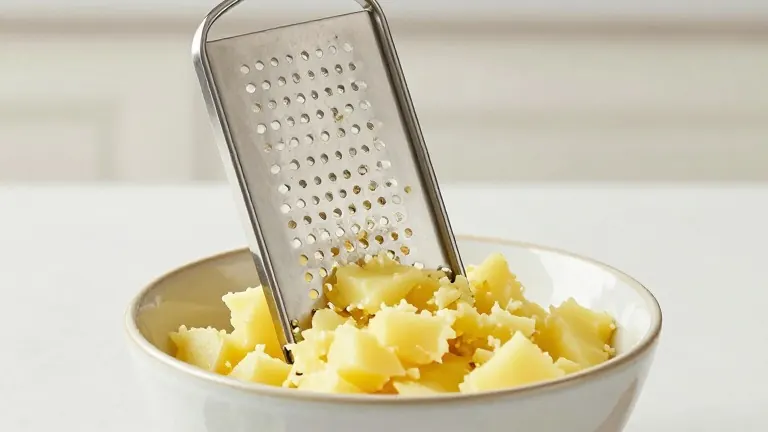
The method of mashing impacts the quality of the dish. A potato masher or a stainless steel potato ricer is recommended to achieve a silky texture. The ricer removes skin from cooked potatoes as the flesh squeezes through the basket. Mechanical appliances like blenders, electric mixers, and food processors are discouraged because they can turn cooked potatoes into a glue-like consistency.
Dairy and seasonings allow for extensive customization of the flavor base. Heavy whipping cream is considered the standard dairy addition, while Greek yogurt or sour cream provide tangy creaminess. Chefs can blend in Parmesan, Cheddar, Gouda, Swiss, or Gruyere for varying degrees of saltiness, sharpness, or smokiness. Seasonings typically include salt, black pepper, roasted garlic, chives, parsley, scallions, nutmeg, thyme, sage, smoked paprika, or cayenne.
Additional ingredients can introduce regional or sophisticated flavor notes. A splash of heated bourbon, rum, dark stout, cognac, or dry white wine adds depth to the mixture. For lighter versions, cooks can substitute butter and cream with olive oil, plant-based butters, or low-fat yogurts. A hybrid puree using celery root, turnips, parsnips, and waxy red potatoes reduces starchiness, while cauliflower mash offers a lower calorie alternative.
A classic recipe for six servings calls for three pounds of peeled and quartered russet or Yukon Gold potatoes. The potatoes are boiled in salted water for 20 minutes until fork tender. After draining, they are mashed and folded with eight ounces of unsalted European-style butter, half a cup of heavy whipping cream, and half a cup of mascarpone cheese. The mixture is seasoned with sea salt and cracked black pepper, then garnished with fresh rosemary sprigs and an optional dollop of butter.