Mild autumn drives UK trees into premature spring
Conservation experts warn that warm weather is causing ecological mismatches and long-term stress for forests.
By Andres Smirnov ·
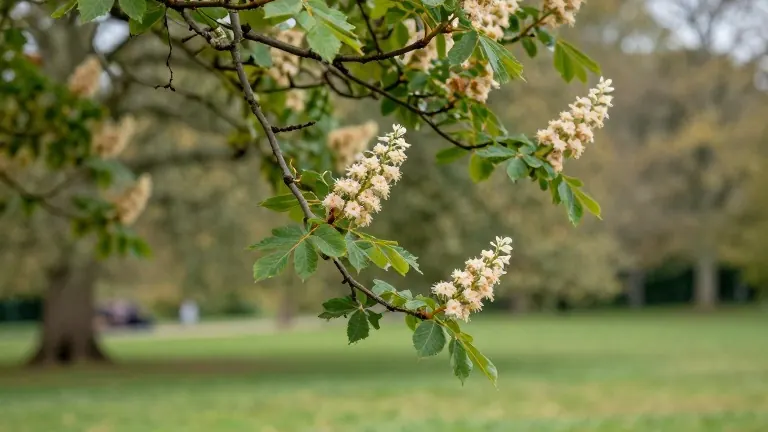
October marked the ninth consecutive month with above-average mean temperatures across the UK. This sustained warmth has triggered biological responses in trees that typically occur months later in the calendar.
Chris Nichols, head of conservation outcomes at the Woodland Trust, reported that horse chestnut trees are currently flowering. He noted that these trees are showing signs of next year’s spring growth more than six months early. Nichols described the situation as crazy, stating that everything is so out of whack.
The premature growth creates a timing gap between trees and the insects that rely on them. Nichols explained that trees need to flower at a specific time to stay in sync with pollinators. He called this an ecological mismatch that could reduce the long-term resilience of tree species.
Dr Kate Lewthwaite, a citizen science manager at the Woodland Trust, identified the early flowering as a sign of stress. She suggested that the drought earlier this year caused trees to shut down essential systems, similar to winter dormancy. When autumn rains arrived, the moisture encouraged the trees to start spring flowering out of season. This cycle could force trees to die or resprout from dormant buds, resulting in a smaller canopy next year.
Kevin Martin, head of tree collections at Kew Gardens, confirmed that trees in the arboretum are also entering an early spring phase. He said the trees are confused because they went into dormancy during the extreme heat of summer. The current mild conditions are pushing them back into growth, which means they may not have buds available in the actual spring. Martin stated that the true impact of this shift will not be known until spring 2028.
The stress from this year’s drought has also made trees more vulnerable to wind. Martin observed an increase in tree failures during Storm Austen and Storm Boelo compared to expected rates for those wind speeds. He attributed this to weakened growth, particularly in the south-east where the drought has been severe. Experts warn that high winds associated with El Niño could cause widespread mortality among species already damaged by heat and dry conditions.