New Study Finds School Phone Bans Add Two Weeks of Learning
A Harvard-led analysis of 3.3 million students shows strict phone policies yield small but measurable academic gains, though experts debate if the results will grow over time.
By Bruno Morales ·
Two weeks. That is the estimated amount of additional learning that strict school phone bans provide to students in the United States, according to a large-scale study released Tuesday.
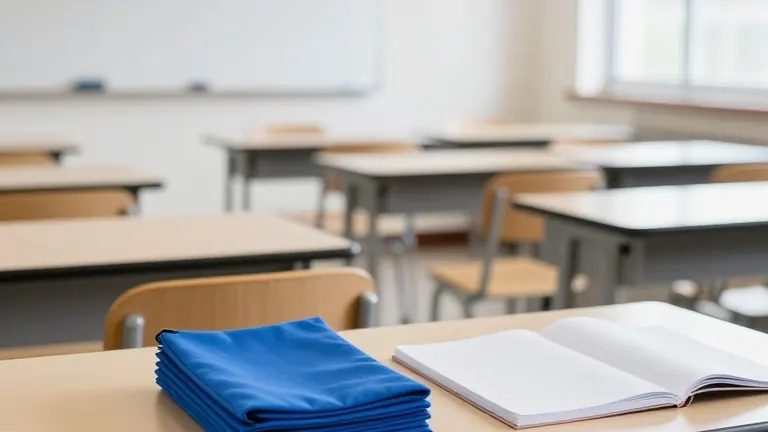
The research, conducted by Harvard’s Center for Education Policy Research, analyzed standardized test scores from 3.3 million students across 4,600 schools. The study focused on math and reading data for grades four through 10 collected over the past five academic years. It compared schools that require students to store phones in locked pouches for the entire day with similar schools that do not enforce such restrictions.
The findings indicate that schools with these strict policies saw modest improvements in academic growth. The researchers estimate that these gains are equivalent to about one to two extra weeks of instruction per year. Thomas Kane, a Harvard professor and one of the study’s authors, noted that student achievement has declined globally since 2013, a period that coincides with the rise of social media-enabled smartphones.
“Our answer is yes, phone bans do have a positive effect on growth. But it’s not a panacea,” Kane said. He explained that learning loss occurred gradually over a decade, so it is logical that the recovery would also unfold slowly. The study suggests that storing phones is a cost-effective method to add instructional time, which could accumulate over several years.
However, the academic community remains divided on whether these initial gains will expand. A separate study published in May by researchers at the National Bureau of Economic Research concluded that strict phone bans had close to zero effect on test scores. That analysis examined different standardized test data, GPS phone activity, and teacher surveys at 4,600 schools using Yondr lockable pouches. While that team found modest positive effects in high school math scores over three years, they remained hesitant to claim broad learning benefits.
Thomas Dee, a Stanford education economist and co-author of the NBER study, described the early results as largely disappointing. He expressed skepticism about extrapolating long-term benefits from small, sensitive estimates based on only a few years of data. “I hope they're right. However, I’m not comfortable making that extrapolation from estimates that are small, sensitive and based on just a few years of phone bans,” Dee said.
Dee suggested that students may remain distracted by other devices, such as laptops, or that phone use outside of school hours is impacting child development. Jean Twenge, a psychologist at San Diego State University, added that enforcement varies widely. She noted that many bans are cosmetic, with students using burner phones or hiding devices in backpacks. “It happens pretty often that there’s a policy of no phones during the school day, bell-to-bell, and you go into the school and phones are everywhere,” Twenge said.
More than 40 U.S. states have passed laws restricting cellphones at schools in recent years, but implementation is inconsistent. The Harvard study found that the observed gains are roughly half the size of the annual decline in test scores that occurred since smartphones became mainstream. Researchers emphasize that the impact of phone use outside of school remains the biggest unresolved question.
Kane said he finds it striking that social media companies track the time children spend on their platforms but rarely share that data with educators. “We can’t provide answers until the social media companies share data,” he said. The study does not claim that phone bans are the only factor influencing student performance, but it suggests that removing devices from the classroom contributes a small, measurable benefit to academic growth.