Rif Uprising: A Decade After Fikri's Death, Leaders Remain Incarcerated
Six key figures from the 2016-2017 protests are still in prison, and regional grievances over poverty and health care persist despite recent state investments.
By Andres Smirnov ·
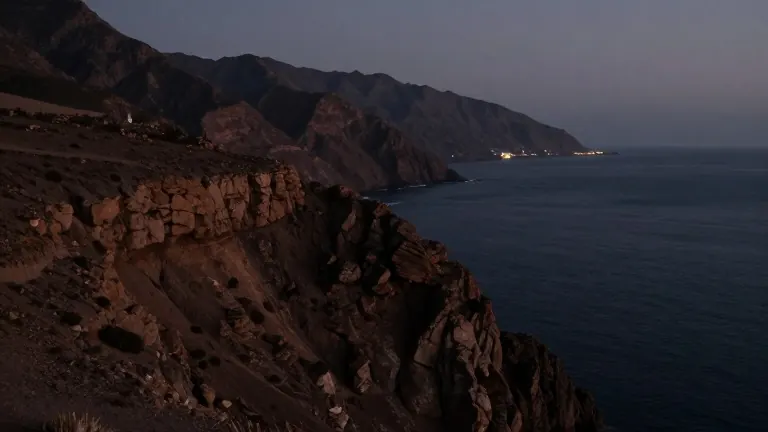
The northern mountains of Morocco have been the site of political tension for over a century, a history that resurfaced in late October 2016. A decade after the initial unrest began, the region continues to grapple with the consequences of state repression and long-standing economic neglect.
The movement originated in Al Hoceima following the death of Mouhcine Fikri, a fishmonger crushed by a garbage truck on October 28, 2016, while retrieving his confiscated fish. What started as local demonstrations expanded into a regional uprising against poverty and marginalization. Authorities initially tolerated the protests for several months before launching a crackdown in late May 2017. This intervention resulted in hundreds of arrests and the widespread use of tear gas and batons by riot police.
Six prominent figures from the Hirak movement remain in custody ten years later. Nasser Zefzafi, identified as the movement's leader, is serving a 20-year sentence. His brother, Nabil Ahamjik, is also serving a 20-year term for his activism. Nabil is currently held in Tangier, where he recently conducted a 10-day hunger strike after authorities denied him adequate space to work on his doctoral thesis.
The state labeled the uprising as separatist, a characterization historian Maati Monjib calls a false accusation designed to discredit the protesters' demands. Monjib notes that while a small minority in online groups expressed separatist views, the imprisoned leaders did not. The crackdown extended beyond the streets to the diaspora, with at least 11 activists arrested upon entering Morocco since the movement began. Two have been sentenced to prison, and one remains incarcerated.
Regional disparities remain a central grievance. The Rif region has the highest number of cancer patients in Morocco, a toll linked to chemical bombs used by Spanish forces during the 1921-1926 Rif War. Despite the construction of a new hospital, activist Said El Amrani points to a shortage of medical staff and a lack of jobs for young people. He observes that many residents are leaving the region clandestinely for Europe or moving to larger cities like Tangier.
The economic divide is stark. Tangier hosts major industrial zones and the Tanger Med port, driving rapid growth, while the Rif faces high unemployment and limited prospects. Youth unemployment in the kingdom stands at 37 percent. These frustrations were visible this summer when tens of thousands attempted to cross into the Spanish enclave of Ceuta, many of them young Moroccans from the Rif.
The state has responded to some demands, including the opening of a new university faculty affiliated with the University of Tetouan. However, critics argue these measures are insufficient. The memory of the uprising has gained new relevance amid recent political shifts, including the election of Morocco's first female prime minister last month. For now, the core pursuit of the movement remains the demand for dignity and equal recognition for residents of the Rif.
Mohamed Ahamjik, brother of jailed activist Nabil, stated that his family continues to bear the weight of the imprisonment. He described his mother's deteriorating health but noted her determination to hold on. The anniversary of the uprising's start on Wednesday marks ten years since the initial protests erupted over the same issues of poverty and marginalization.