San Diego County voters face permanent half-cent tax to fund childcare and fire services
Measure B would generate $400 million annually, with no sunset date, to address workforce shortages and border infrastructure gaps.
By Evelyn Ellis ·
San Diego County residents will vote on November 3 on Measure B, a permanent half-cent sales tax proposal designed to raise approximately $400 million per year for local services. The measure lacks a sunset clause, meaning the tax will continue indefinitely unless voters choose to repeal it in the future. Supporters argue the revenue is necessary to close funding gaps in public safety, healthcare, and family support services that have widened due to recent federal budget cuts.
A major portion of the new revenue is allocated to child development. The measure sets aside $88 million annually for childcare and related services. This total breaks down into $32 million for stipends to licensed providers facing low wages and staff shortages, $32 million for family vouchers to help select providers, and $24 million for early childhood mental and behavioral health services. Alexis Primo, a volunteer for the Parent Voices San Diego chapter, cited her own experience waiting for childcare slots for her two young children while pursuing a master's degree. She noted that her son aged out of the waitlist and entered school before securing a childcare placement.
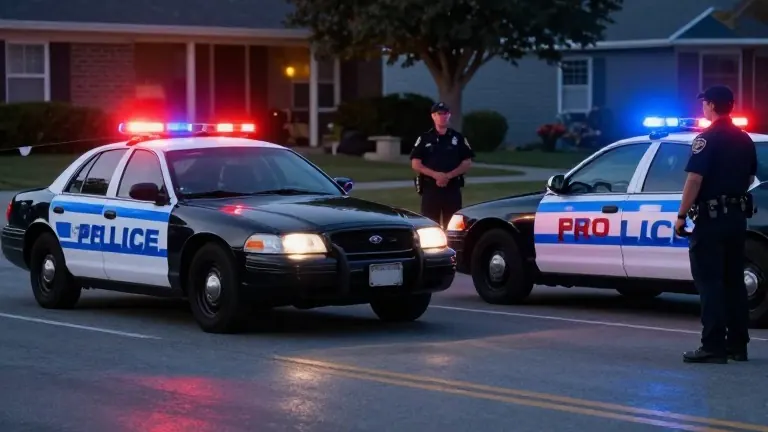
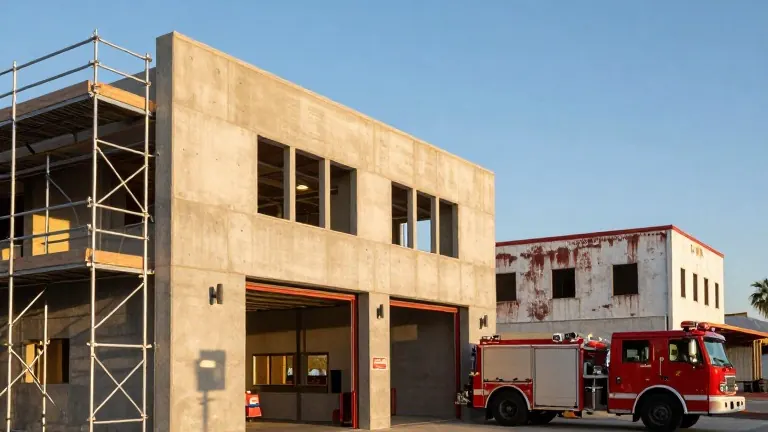
Public safety agencies would receive $70 million per year under the proposal. These funds are designated for hiring additional firefighters and deputy sheriffs, clearing brush to mitigate wildfire risks, and upgrading the regional 911 communications system. The budget also includes money for replacing aging equipment and constructing new stations. Specific projects include a $28 million replacement for Descanso Fire Station 45 and a $31 million replacement for Borrego Springs Fire Station 60. John Clark, deputy vice president of San Diego County Firefighters Cal Fire Local 2881, stated that current maintenance costs for fire trucks and ambulances are rising. He explained that many existing stations date back to the early 1900s when they served the roads department or volunteer services.
Healthcare and food services for individuals who lost federal benefits would receive up to 60% of the annual $400 million. Another $90 million is earmarked for infrastructure aimed at stopping sewage contamination in the Tijuana River. While federal and Mexican officials are expanding wastewater treatment projects to end cross-border pollution, county leaders say these efforts are not progressing quickly enough to protect local residents from exposure.
Mark Kersey, president of the San Diego Taxpayers Association, opposes the measure, arguing that a local tax for the Tijuana River issue shifts responsibility away from the federal government. He warned that Washington might reduce future investment because San Diego County is raising its own funds for a problem he views as a U.S.-Mexico federal issue. Kersey described the lack of a sunset clause as bad policy because it locks in funding formulas based on current needs that may change in five or ten years. Voters have until November 3 to cast their ballots on the proposal.