Tijuana Groups Watch U.S. Midterm Vote
Local advocates cite over 23,000 deportations to 29 nations as they await the outcome of the November elections.
By Bruno Morales ·
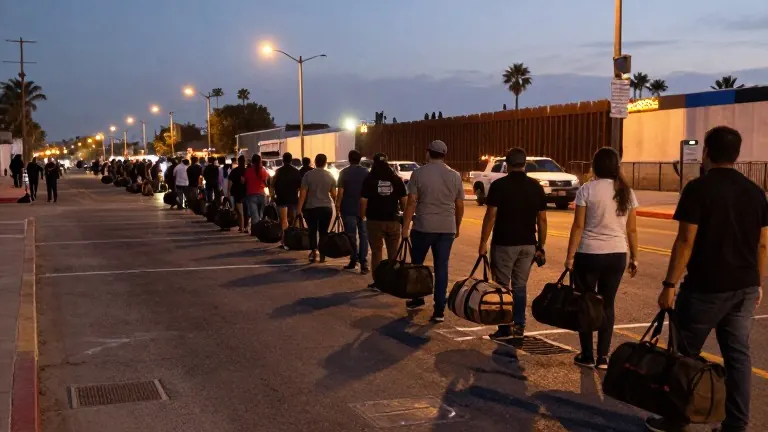
Tijuana’s migrant rights groups are watching the upcoming U.S. midterm elections closely.
The organizations believe the new political makeup in Washington will directly shape border conditions and the fate of those seeking entry into the United States. Activists note that many families have already suffered under the current administration's policies.
José María García Lara, a local activist, said voters must make the right choice this time. He recalled that two years ago, many people believed a change was coming, but migration policies instead harmed numerous households. García Lara urged the electorate to restore what he called normalcy for migrants on the border.
Raúl Ochoa, another advocate, pointed to a sharp increase in deportations beginning in January of last year. He described the current approach as a criminalization of migration that has been visible throughout Tijuana. Ochoa specifically cited the practice of sending migrants to third countries as deeply unjust.
According to Ochoa, more than 23,000 people have been deported to 29 different countries and territories since that January. This figure illustrates the scale of the removals that local groups have been tracking for the past ten months.
José Luis Pérez Canchola, from the Municipal Human Rights Office, offered a historical perspective on the relationship between the two nations. He argued that the U.S. economy grew substantially due to Mexican labor, particularly in agriculture and livestock sectors, dating back to the separation of the territories.
Pérez Canchola stated that Mexican workers built the large-scale farming and ranching operations that define parts of the American economy. Local organizations will continue to monitor the legislative changes that follow the election. They are preparing for the potential shifts in migration dynamics that the new political climate may bring to the Mexican border.