Waymo Expansion Approved in 18 Counties Amid San Diego Charging Conflicts
California regulators granted approval for the service expansion today, while local officials in San Diego push for more municipal control over autonomous vehicle operations.
By Andres Smirnov ·
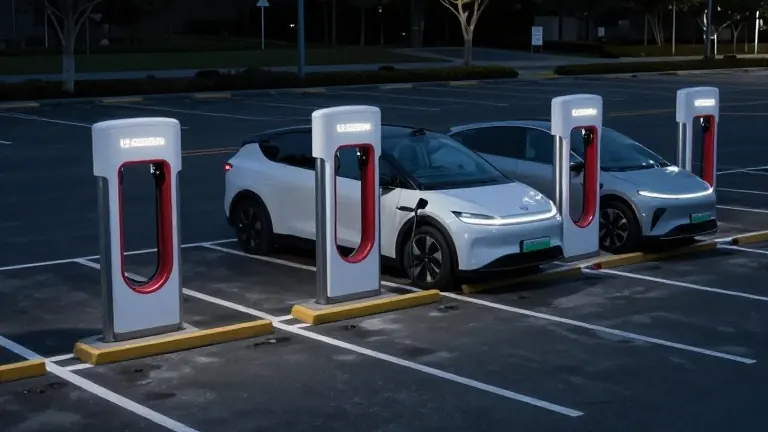
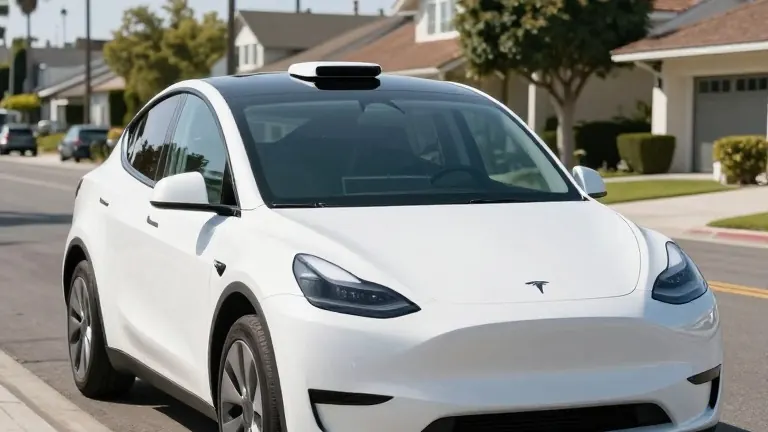
The arrival of driverless vehicles in California has created new friction over the use of public infrastructure. Today, regulators in the state approved Waymo's plan to expand its service area across 18 counties, including San Diego and Sacramento. This regulatory green light comes as residents in San Diego report that the company's fleet is consuming a large share of the limited fast-charging stations available in the region.
San Diego resident José Manjarrés described a specific incident from last month where he waited one hour to charge his Ford Mustang Mach-E. He observed three Waymo vehicles occupying a four-spot charging station. He noted that the situation creates an antagonistic posture toward the product. Finn Sadler, 24, reported that he sometimes waits more than 30 minutes for a spot to charge his Audi e-tron. He stated that if fuel prices were lower, he would consider switching back to a gas-powered car.
The vehicles are primarily using privately owned infrastructure in the city. Electrify America, a Virginia-based company founded by Volkswagen Group of America, operates 13 stations in San Diego and more than 300 in California. The company stated it has no official partnership with Waymo. Waymo vehicles have also been seen at EVgo stations. EVgo has worked with autonomous vehicle partners since 2020 and operated 120 stalls dedicated to these companies earlier this year. An EVgo spokesperson said its San Diego stations are public sites available to all drivers, including robotaxis.
Waymo officially launched in San Diego in September, though vehicles appeared months earlier during testing. The company said it posts personnel at some public charging stations to assist with plugging in. It attempts to prevent vehicles from bunching up, a task that is difficult in areas where fast-charging infrastructure is still under development. A Waymo spokesperson said the company establishes its own charging infrastructure as operations mature. When a human specialist drives or supervises a vehicle, that person might choose to charge on the road during breaks.
City leaders in San Diego have moved to assert more authority over these operations. On Sept. 14, the City Council voted unanimously for a resolution urging Gov. Gavin Newsom and state lawmakers to give cities more control over autonomous vehicle deployment and monitoring. The resolution asks that charging hubs be kept away from homes, schools, and public safety facilities. It also urges the airport authority to keep autonomous vehicles out of San Diego International Airport.
Councilmember Sean Elo-Rivera, who chaired the Metropolitan Transit System advisory committee, said the charging issue is part of his opposition to the rollout. His committee voted in January to oppose the expansion of driverless vehicles. Elo-Rivera said autonomous vehicles should not be displacing people. He is concerned about drivers who rely on public chargers because they cannot charge at home. He described these drivers as competing with robots that can hover.
San Diego is not the only location experiencing these conflicts. In Santa Monica, neighbors complained about noise from Waymo charging lots. Last year, the city council ordered the charging provider to stop overnight operations. In L.A. County, the City of Commerce announced this week that it would conduct additional overnight patrols. The city is monitoring and documenting vehicles parked in residential areas after resident concern about the increased presence of self-driving vehicles.
The state is also addressing other robotic interactions. In Philadelphia this month, police arrested Carolyn Marvin, 78, on disorderly conduct charges after she refused to move out of the path of an Uber Eats delivery robot. She had blocked such robots for months. At Los Angeles International Airport, the governing body's chief executive said in a February report that there is currently no timeline for permitting Waymo cars to conduct pickups or drop-offs on property.
San Diego officials said the city is working to expand its public charging network. More than 50 sites will receive chargers over the next 18 months. The city has been retrofitting existing public stations and adding chargers at libraries and recreation centers. A city spokesperson said the effort focuses on providing resources for residents and visitors. It is independent of plans by private companies like Waymo. Autonomous vehicles are not barred from using public stations and will pay the same fees as other drivers.