Instagram Tests Long Video Without Pay Plan
Meta's new Features format allows 90 minute videos, but the company has no confirmed method to compensate creators for the work.
By Evelyn Ellis ·
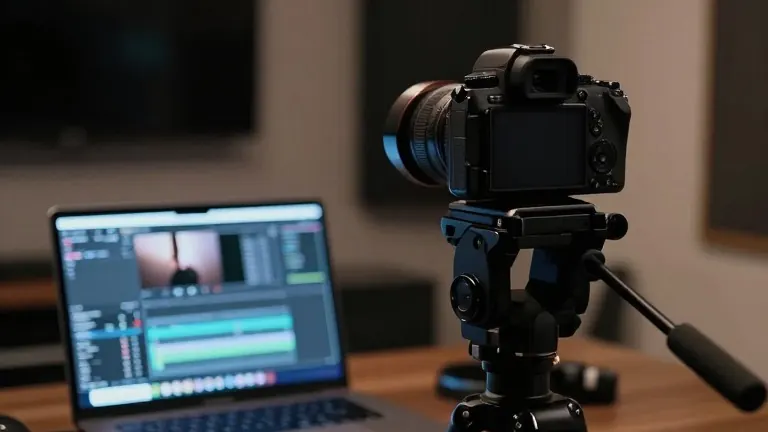
Instagram is testing long form videos without a finalized plan to pay the people making them.
Adam Mosseri, head of Instagram, announced the new Features format on Monday. The move aims to pull creators away from YouTube. Creators on Threads and Reddit reacted quickly to the news. Their main complaint is the lack of clear monetization options compared to YouTube's ad share and performance incentives.
Mosseri responded to the concerns in a post on Threads yesterday. He stated that the company understands economics matter a lot. He added that Instagram is exploring multiple options to help long-form creators get paid. He did not detail what those solutions would look like.
Creator Sidney Raskind, known online as Sidneyraz, criticized the launch. He said on Threads that it feels like Mosseri and Meta are just making fun of creators. He pointed out that the platform does not allow long-form monetization ads inside Features videos. Raskind noted that Meta knows how ad calls work and that long-form creators need ad revenue to survive. He argued that asking creators to upload long-form content for free to live on the platform is insane.
The Features format is currently being tested by a small group of creators in the US and Brazil. The new videos can be up to 90 minutes long. This is a major increase from the 20 minute maximum for Reels. The format focuses on landscape content rather than vertical video. This design suits Instagram's TV apps as the platform tries to capture attention across more screens. Meta has limited monetization tools for Reels, but these do not pay creators directly per view like YouTube does.
Tech creator M. Brandon Lee also voiced frustration on Threads. He highlighted the complete lack of any sort of monetization for the new long-form video option. He asked why he should post long-form content there if there is no benefit. Lee noted that he cannot post links in his content to make affiliate income unless he pays for a limited number of links. He also mentioned that creators cannot get ad share revenue. He summarized the situation by saying Meta wants more but does not give more.
Some longer-form video creators on Facebook previously reported good earnings through an old ad revenue-sharing payout model. Meta retired this model in 2024. The company switched to a performance-based system at that time. The primary incentive to post a Features video is the reach of Instagram. The tradeoff is that Meta will use the content to train its AI models. Google also considers YouTube videos fair game for AI training, but YouTube creators receive payment from the platform.
Mosseri discussed the monetization challenges on a podcast with Samir Chaudry and Colin Rosenblum. He said introducing pre-roll or mid-roll ads would be problematic from a user experience perspective. He explained that scaling up the small existing performance-based program does not make sense. Meta currently spends more money on that program than it makes back from it.
Mosseri outlined three ways creators can get paid at a high level. Creators can get paid by the platform directly, by a fan, or by a brand. He stated that the current primary method on Instagram is payment by brands. Some people also get paid by fans. Mosseri concluded that creators do not produce much more when the platform pays them compared to what they already create.