Lula flips Brazil vote for fourth term
The 80-year-old leader erased a 2.2 million deficit from the first round to defeat Flávio Bolsonaro by 4.3 million votes.
By Andres Smirnov ·
Luiz Inácio Lula da Silva secured a fourth term as president of Brazil on Sunday, defeating Flávio Bolsonaro in a runoff that reversed a substantial first-round deficit. With 99% of ballots counted, Lula received 51.75% of the vote compared to 48.25% for Bolsonaro. The 45-year-old challenger finished 4.3 million votes behind the 80-year-old incumbent. This marks the first time since Brazil returned to democracy in the 1980s that a candidate who placed second in the first round has won the final election.
The reversal was driven largely by changes in voter turnout. The first round in early October recorded a record abstention rate of 21.08%, a figure that disproportionately affected Lula’s base, who often live farther from polling stations. In the runoff, abstention dropped to 19.21%. Lula’s allies had identified higher turnout as their primary path to victory. Before the count was finalized, Lula trailed by 2.2 million votes, a gap that had raised questions about his political future for three weeks.
Reginaldo Lopes, a senior aide to Lula, described the atmosphere as the results solidified. He told the Guardian that he felt "incredible" and characterized the result as a national message against the extreme right. Lopes stated that the country would now work to "reorganize the democratic forces." The victory caps a long political career that began in the late 1970s when Lula rose as a union leader in São Paulo. He lost three previous presidential bids in 1989, 1994, and 1998 before winning in 2002.
The outcome represents a strategic setback for the Bolsonaro family and their international allies. Jair Bolsonaro, Lula’s 2022 opponent and the father of the defeated candidate, is currently serving a 27-year sentence for plotting a coup. He is under house arrest in Brasília, where he watched the count with his son. Jair Bolsonaro had anticipated a role in government if his son prevailed. The loss also impacts US President Donald Trump, who had sought to add Brazil to a list of pro-Trump leaders in Latin America, including Abelardo de la Espriella in Colombia and Daniel Noboa in Ecuador.
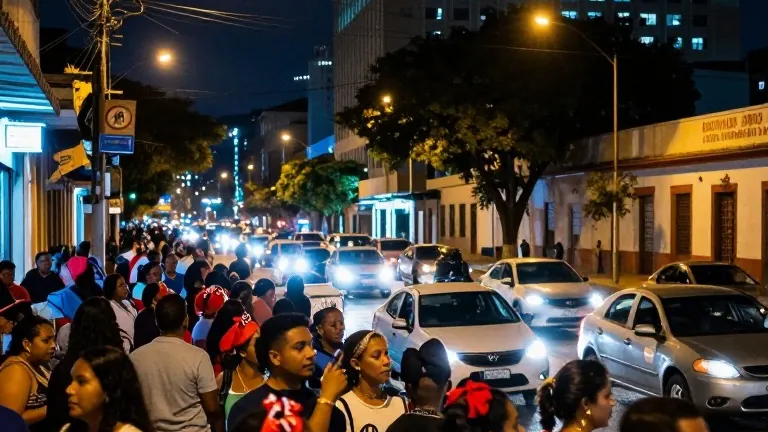
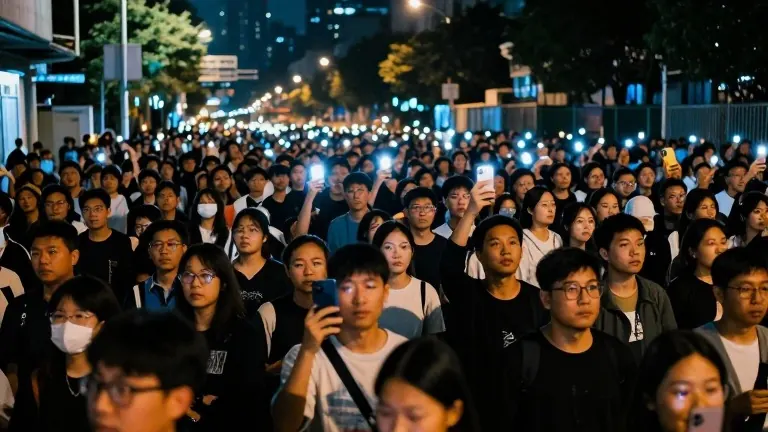
Lula’s supporters demonstrated their mobilization capacity in the days leading up to the vote. On Saturday, more than a million people gathered on Copacabana beach in Rio de Janeiro, while a larger crowd marched on Paulista Avenue in São Paulo. These rallies followed weeks of student-led protests. On Sunday evening, hundreds of supporters returned to Paulista Avenue to watch the count, waving red flags featuring Lula’s face. Camilo Buarque, 35, watched the proceedings and called the event a demonstration of democracy.
In São Paulo, some voters expressed frustration over what they perceived as an attempt by pro-Bolsonaro politicians to disrupt the vote. The alleged effort involved sabotaging public transport in areas that lean toward Lula. Lucas Lopes, 32, described the move as "another coup attempt," though the disruption did not alter the final result. Caio Marques, a 40-year-old photographer from Franca, noted that the left had struggled in the first round but activated effectively in the second. The official count will be certified in the coming days, with Lula taking office at the start of the next constitutional term.
More Politics · World news · Report a business · Got a Story?