Lake Powell rises 19 feet as drought concerns persist
Sarah Porter of ASU notes the reservoir remains near spring levels and a historic snowpack is needed to secure the Colorado River system.
By Bruno Morales ·
The Colorado River system remains under stress despite recent rainfall across the Southwest. New data from the U.S. Bureau of Reclamation shows measurable changes in two of the river’s largest reservoirs.
Lake Powell’s water level increased by approximately 19 feet between the end of September and November 5. Lake Mead also experienced a modest rise in water levels during the same period. These gains follow a period of heavy precipitation in the region.
Sarah Porter, director of Arizona State University’s Kyl Center for Water Policy, provided context on the current standing of the reservoirs. She noted that Lake Powell had previously dropped to about 22 percent capacity. Lake Mead sat only a few percentage points higher in fullness. Porter emphasized that the recent rains have not fully resolved the water shortage issues.
“Last spring, Lake Powell was around the same level it is now, and no one last spring was saying Lake Powell is in really good shape,” Porter said. “We were all worried about how low it was, so the rains haven’t brought it back up to a place where we have anything less to worry about.”
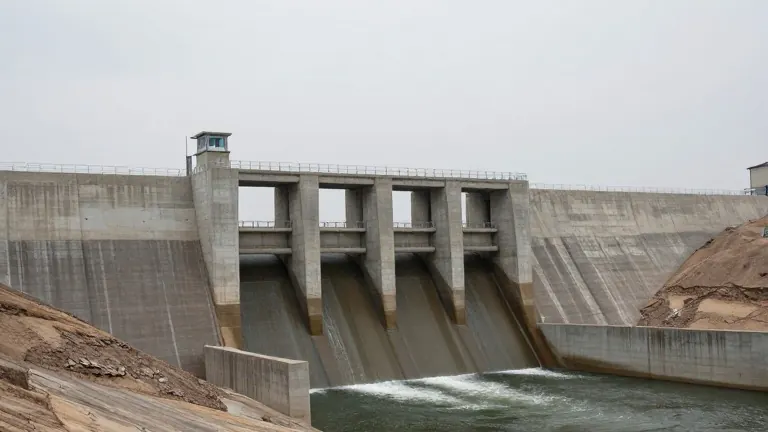
Operational challenges remain at Glen Canyon Dam. The Bureau of Reclamation operates the reservoir under specific guidelines designed to protect infrastructure when water levels are low. Water flowing through the dam’s turbines generates hydropower. Porter explained that the additional water provides more margin above the minimum elevation required for power production. Low levels also complicate water delivery to the Lower Basin.
Porter stated that a historic snowpack is necessary to place the Colorado River in a safer position. While future storms may provide additional help, long-term drought conditions continue to affect the river. A legal dispute over the river’s management is also ongoing. Arizona and Nevada filed a federal lawsuit in October challenging an Interior Department plan to reduce water use.