Security dominates ballot as Israel’s global image hits record low
With a median 67% of adults in 36 countries holding an unfavorable view of the state, polls show voters remain focused on domestic threats rather than diplomatic fallout.
By Andres Smirnov ·
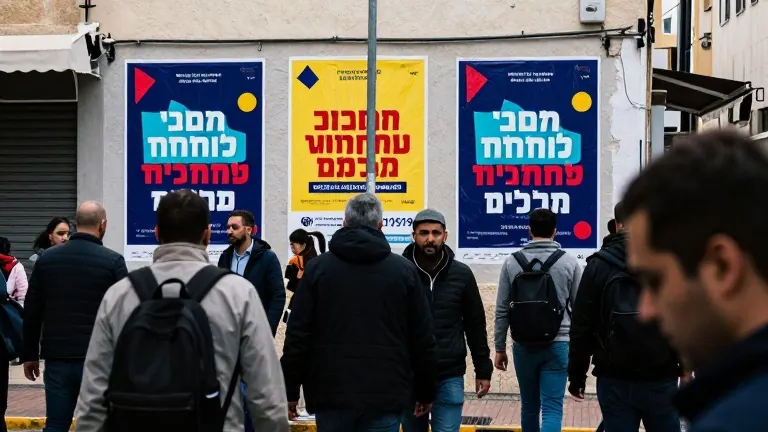
Israeli voters face a Tuesday ballot that appears largely indifferent to a steep decline in the country’s international standing. While hostility toward Israel has surged abroad, domestic polling and expert analysis indicate that security remains the primary driver of voter preference. The election, scheduled for October 27, will decide the composition of the Knesset in the context of a war that has lasted more than three years.
Reports of harassment against Israelis abroad have accumulated over the past few months. In July, a group of tourists in Montenegro was confronted by locals who asked if they were taking a break from genocide. In Greece, a restaurant reportedly refused service to an Israeli woman. In Thailand, a mother and daughter were beaten after identifying themselves, while an Israeli couple in California was called baby killers during a hotel check-in.
These incidents coincide with a sharp drop in global opinion. A Pew poll conducted between February and May 2026 found that a median of 67% of adults across 36 countries hold an unfavorable view of Israel. Diplomatic relations have also strained, with some world leaders describing Israel’s military actions in Gaza as disproportionate and allies imposing sanctions over policy in the West Bank.
Yaakov Katz, a senior fellow at the Jewish People Policy Institute, noted that while complaints exist regarding the government’s explanation of its policies, most Israelis view this image problem as outside their control. He argued that voters accept the narrative that global opposition is inevitable and often antisemitic. Katz observed that the average citizen does not fully grasp how declining support, particularly in the United States, could have existential consequences for the country.
Ofir Dayan, a senior fellow at the Institute for National Security Studies at Tel Aviv University, stated that Israelis are aware of foreign sentiment but prioritize immediate security concerns. She described the electorate as one-issue voters, with security and the legacy of the October 7, 2023, Hamas-led attack dominating the debate. She said voters are not yet remote enough from that event to shift their preferences based on diplomatic image.
Peter Lerner, a former Israel Defense Forces spokesman, characterized international standing as secondary to two main factors: whether Benjamin Netanyahu remains in power and the ideological divide between left and right. He noted that while candidates discuss these themes, public diplomacy rarely takes center stage in the campaign rhetoric.
Among the dozen or so parties expected to win Knesset seats, few have detailed public diplomacy plans. The B’Yachad Party, led by Naftali Bennett and Yair Lapid, proposes elevating Diaspora Jewry by creating a non-voting observer role in the parliament. The right-wing Amcha Yisrael party, led by former Brig. Gen. Ofer Winter, includes prominent public diplomacy activists on its candidate list, with Yoseph Haddad expressing interest in the portfolio.
Journalist Eylon Levy, a former government spokesman, argued that public diplomacy is not a goal in itself for most candidates but a tool for managing relations to achieve national interests. He highlighted the divergence in strategy, noting that the far right, represented by Itamar Ben-Gvir’s Otzma Yehudit party, prefers a tough image, while the left believes normal behavior will restore relations. Levy suggested that a more moderate government elected on October 27 would likely secure a grace period and some goodwill from existing allies, even if it does not magically boost Israel’s international standing.
The election takes place against a backdrop of rising antisemitism globally and a 70,000 death toll in Gaza, figures Katz cited to illustrate the perceived disconnect between domestic priorities and international perception. Voters will cast ballots on a day when the question of who manages these complex threats takes precedence over how the country is perceived by the rest of the world.