Riyadh airport loses 4,071 flights as Houthi strikes continue
Aviation data shows nearly 90% of scheduled departures were canceled at the Saudi capital's main hub between October 8 and 25.
By Evelyn Ellis ·
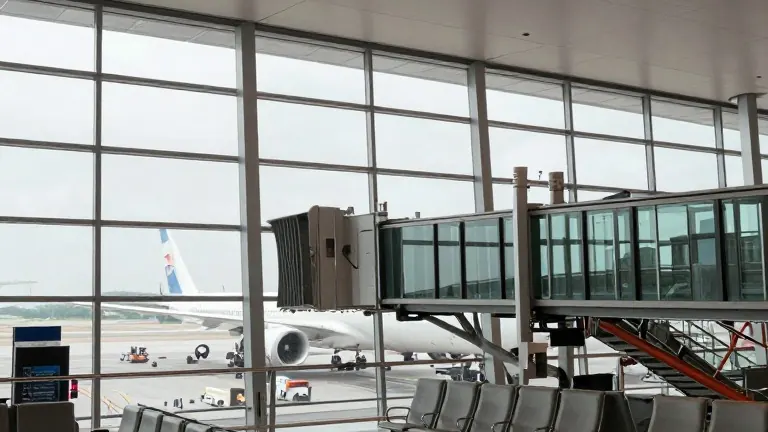
Travelers in Saudi Arabia face major disruptions as Houthi missile attacks force the suspension of most flights at the capital's main airport. Aviation analytics firm Cirium reported on Monday that 4,071 out of 4,736 scheduled flights at King Khalid International Airport were canceled. This represents an 86% cancellation rate for the period between October 8 and October 25.
The Houthis, an Iran-aligned group based in Yemen, increased their attacks on Saudi infrastructure this month. They targeted airports, ports, and oil facilities using ballistic missiles and drones. Riyadh's airport, the second-busiest in the kingdom after Jeddah, has been hit repeatedly. An attack on October 10 killed 13 people, marking the deadliest incident in the country in over a decade.
Saudi authorities partially reopened the airport on Sunday. Domestic flights resumed operations from Terminal 1. National carriers began handling international services from Terminal 2. The reopening followed a halt that began on October 10.
The Houthis claimed a new strike on Riyadh's airport on Monday. They described the facility as a military target. This latest attack has led international airlines to suspend services to the Saudi capital through November. Delta Air Lines has also postponed the launch of its Riyadh route until next year.
The disruption has forced the cancellation of several events in Riyadh, including the country's major investment conference. The impact extends beyond the capital. Cirium data shows that more than 7,800 flights, or 45% of all scheduled departures from Saudi airports, were canceled between October 8 and 25. The peak cancellation rate nationwide reached 60% on October 12.
Other major airports experienced severe disruptions. Dammam recorded a 42% cancellation rate, while Abha saw 46.7% of flights canceled. The Houthis have claimed strikes on both locations. Smaller regional airports near the Yemeni border faced even greater impact. Najran airport canceled all of its flights during the period.