San Diego court delays photo access rule
The county superior court failed to implement Assembly Bill 1524 for ten months before agreeing to a new policy this week.
By Andres Smirnov ·
California enacted a law in January to reduce costs for the public seeking legal documents. The San Diego County Superior Court did not follow this rule until this week.
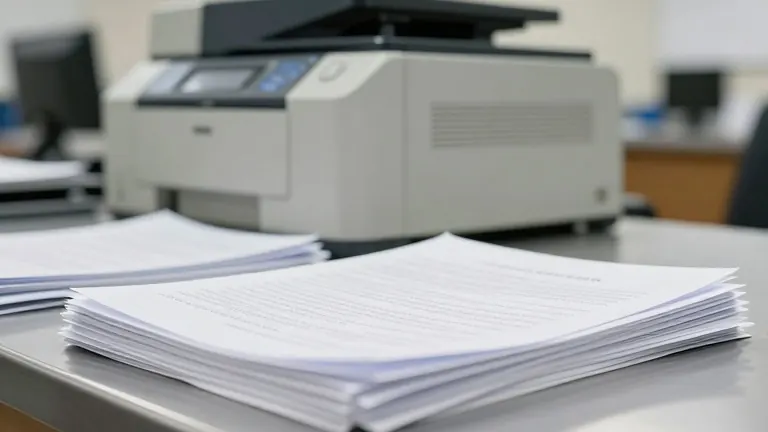
Assembly Bill 1524 allows individuals to take photographs of court records instead of paying for photocopies. The court charges 50 cents per page for printed copies. This cost structure makes the ability to take photos a major financial saving for many users.
For ten months, the downtown courthouse records room displayed signs prohibiting photography. The signs warned that anyone caught breaking the rule would be escorted out of the building. This practice contradicted the state law that went into effect in January.
The issue surfaced last week when a reporter requested to view records in several criminal cases. A court employee told the reporter that photographing the documents was not allowed. When the reporter asked about AB 1524, a supervisor stated the law did not take effect until 2027.
After media inquiries, the court acknowledged the error. It announced it would issue a revised policy that complies with the state statute. Emily Cox, a court spokesperson, said the updated policy should take effect by the end of the week.
Cox explained the delay in an email. She said the court was focused on other priorities when the bill became effective. Those priorities included a complete changeover of the criminal case management system. That project had been in the works for several years.
David Loy, legal director for the First Amendment Coalition, noted the law benefits both the public and the courts. He argued that excessive charges create a barrier to transparency. He also pointed out that clerks spending time making copies of hundreds of pages drains court resources.
Ash Kalra, the Democratic Assemblymember from San Jose who helped author the legislation, contacted the statewide Judicial Council after learning of the incident. In a written statement, he said the council assured his office they are implementing the measure in good faith.
It is unclear how much money the court collected from people who paid for photocopies when they could have taken photos. Loy said the court should be concerned about potential lawsuits. He suggested members of the public who paid unlawful fees might seek compensation.
The court has not released specific figures on revenue collected from photocopies this year. The new policy is expected to be in place by Friday.