Shenzhen Summit: Technical Failures Shadow Trump's Asia Trip
The U.S. president arrived in China for trilateral talks with Xi Jinping and Vladimir Putin while domestic infrastructure outages force a defensive posture from Washington.
By Bruno Morales ·
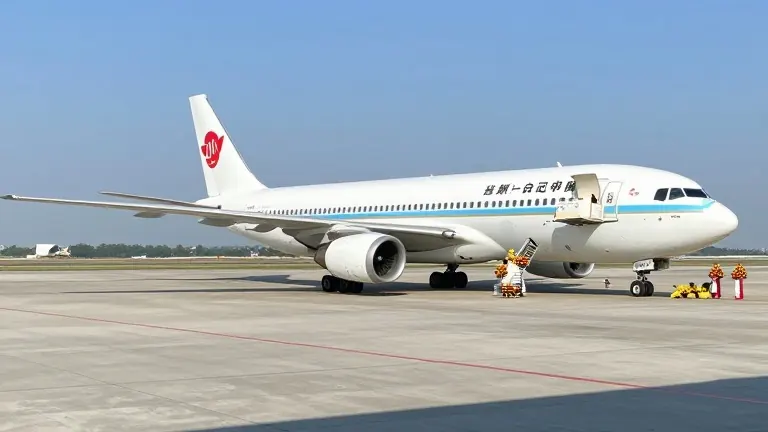
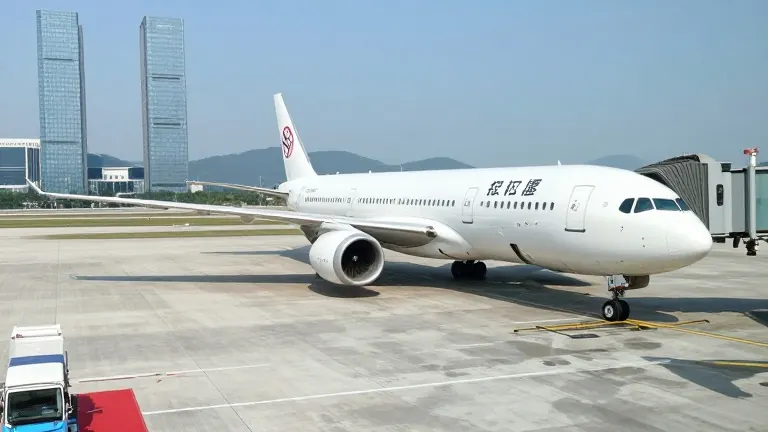
President Donald Trump landed in Shenzhen on Wednesday, aiming to project American technological dominance during a critical diplomatic window. His arrival coincided with a series of disruptive technical failures in the United States that have left the administration scrambling to reassure a nervous public. The glitches involve major systems, creating a backdrop of uncertainty as the president prepares for a high-stakes meeting with global rivals.
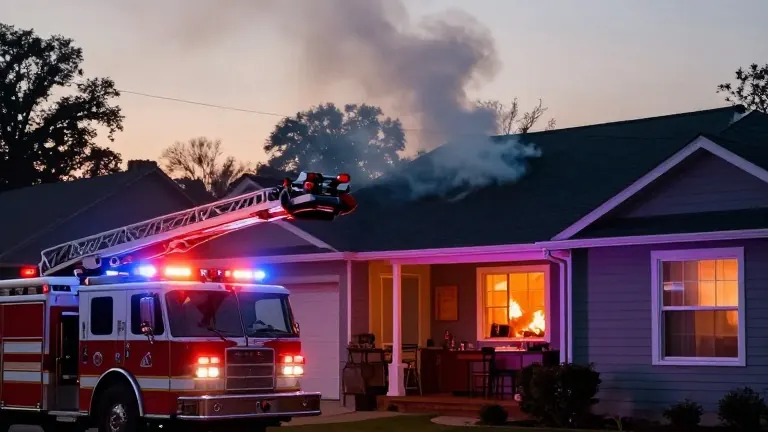
The outages affected key institutions, including Microsoft, the Federal Aviation Administration, JPMorgan Chase, and the National Security Agency's communications network. These disruptions raised concerns about the stability of digital infrastructure and the rapid integration of artificial intelligence into daily operations. The issues forced the White House to shift its narrative from confidence to caution just hours before the trilateral summit begins.
Secretary of State Marco Rubio addressed the situation on Wednesday, stating there is no evidence linking the outages to foreign cyberattacks or criminal activity. He explained that the disruptions likely resulted from software patching efforts designed to fix identified vulnerabilities. "Sometimes when you are going in to fix your system because you’ve identified a vulnerability, it creates a short-term disruption," Rubio said, noting that this was the explanation provided regarding the role of AI in the incidents.
Trump, who had initially dismissed the concerns from Manila on Tuesday, acknowledged the need to project strength. From the Philippine capital, he described the issues as a consequence of being a "big and powerful" nation. However, the persistent nature of the outages has complicated his efforts to maintain a steady hand during his final two years in office. The administration is now working to contain the domestic fallout while the president engages in diplomatic theater in Asia.
In Shenzhen, the host nation offered Trump a ceremonial welcome that highlighted the current diplomatic climate. President Xi Jinping greeted the U.S. leader on the tarmac, a gesture that reciprocated a similar honor shown to Xi during his visit to Washington in September. The two leaders shared a handshake that evolved into a hug while dancers waved flowers and flags. By contrast, President Vladimir Putin arrived earlier in the day and was not greeted at the airport, despite his long-standing relationship with Xi.
The upcoming trilateral meeting on Thursday is expected to focus on limiting nuclear weapons and ending the war in Ukraine. Trump suggested on Tuesday that the high monthly casualty rates among Russian troops have created an opening for a resolution. "I think it’s very close to getting it done," Trump said. He also expressed interest in holding private discussions with Putin and a separate meeting with North Korean leader Kim Jong Un, though Rubio indicated that no specific schedule for a Kim meeting was currently set.
The trip began in Manila, where Trump met with President Ferdinand Marcos Jr. at the Malacañang Presidential Palace. The two leaders announced a trade deal involving Manila purchasing more energy and farm products from the U.S. This development comes as the U.S. trade deficit in goods with the Philippines has widened, rising from $4.9 billion in 2024 to $12.8 billion in the first nine months of this year. Trump also reunited with Imelda Marcos, the former first lady and mother of the current president, whom he called "always the most beautiful."
Underlying these diplomatic exchanges are deeper tensions regarding artificial intelligence and chip access. Jensen Huang, a close ally of Trump, was recently removed as CEO of Nvidia after admitting to an affair with a woman alleged to be a Chinese government agent. Beijing denied the espionage claim, but the incident raised questions about how China accesses Nvidia chips to develop competing AI models. Trump noted that differences of opinion exist within his administration on how aggressively to restrict chip exports, citing the desire to maintain a good relationship with China.
The summit agenda also includes discussions on the Iran war, which Trump launched in late February to halt nuclear development. Both Russia and China have supported Iran, and the conflict has contributed to rising inflation and slower global growth. Trump stated he does not plan to raise the topic of Taiwan, a self-governing island that China claims and that manufactures advanced computer chips. He acknowledged, however, that Xi will likely bring up the issue of sovereignty during their talks.