Netanyahu's Likud leads with 70% of Israel's votes counted, short of 61-seat majority
Arab-led parties projected near 18 seats could decide whether either bloc assembles a governing coalition.
By Bruno Morales ·
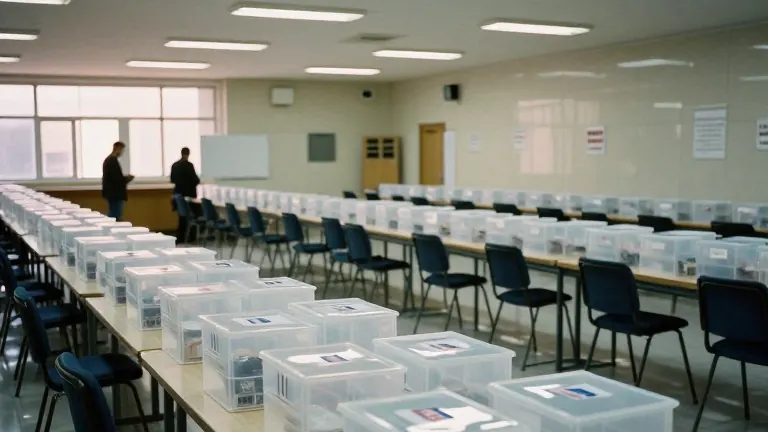
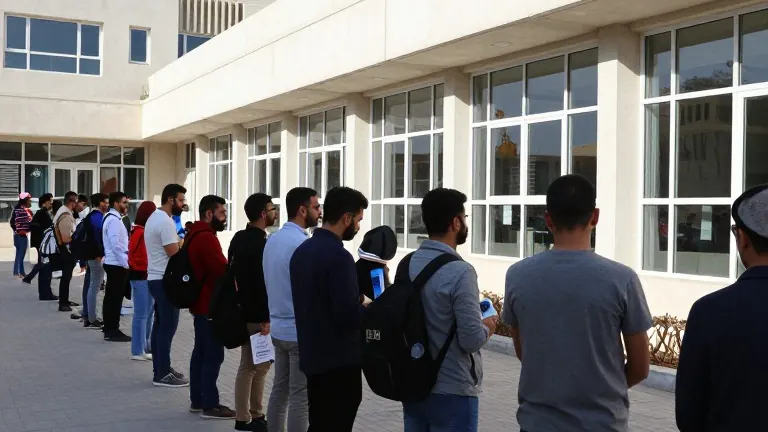
With 70% of ballots tallied on Wednesday, Prime Minister Benjamin Netanyahu's Likud party stood as the largest faction in the Knesset, though the count left him short of the 61 seats needed for a majority. Israeli broadcasters released exit polls hours after polls closed Tuesday at 10 p.m., estimating seat allocations for each party.
The exit polls placed Netanyahu's bloc and that of retired general Gadi Eisenkot in a close race, with Arab-led parties projected at roughly 18 seats. Preliminary results Wednesday showed Netanyahu's camp pulling ahead of Eisenkot's, without reaching the 61-seat threshold. The Associated Press calls elections in the United States but does not declare winners in foreign contests; official Israeli results are expected to become clear over the following days.
Israeli voters select parties rather than candidates, and no single party has won an outright 61-seat majority. Coalition building therefore follows the count. President Isaac Herzog consults with party leaders after the election and asks the candidate judged most likely to assemble a government to attempt it. If that candidate cannot reach 61 seats within six weeks, other leaders may receive the same opportunity. Small parties hold outsized leverage in these talks, and leaders of larger factions typically offer Cabinet posts, budgets or policy commitments in exchange for support.
Netanyahu and Eisenkot have each ruled out partnership with Arab-led parties. Those parties could still back Eisenkot from outside a coalition or abstain in the Knesset vote seating the next government, allowing him to lead a minority administration. Eisenkot could instead join a unity government under Netanyahu, which would contradict a campaign promise he made to voters.
Coalition negotiations that produce no government trigger a new election, held within months. Netanyahu's government would continue as a caretaker, keeping public services running but without authority for major policy changes. The most recent national election, held in November 2022, was the fifth in three and a half years.
The November 2022 contest marked the fifth election in 3½ years, a sequence that followed earlier failures to produce a stable coalition.