Brazil's real drops 8.1% as Trump calls Lula's victory rigged
The currency suffered its steepest decline since 2002 after the U.S. president questioned the legitimacy of a result that Bolsonaro's party has officially accepted.
By Bruno Morales ·

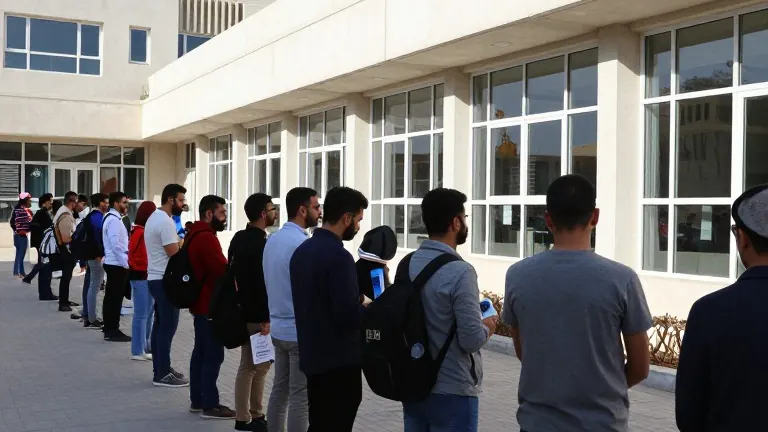
Brazil's currency lost 8.1% of its value against the U.S. dollar on Tuesday, marking the largest single-day drop in the history of the real since 2002. This financial shock occurred after President Donald Trump stated that the recent presidential election in Brazil appeared to be manipulated, despite the opposition party's formal acceptance of the outcome.
Trump made his remarks to reporters on Monday, describing the victory of incumbent Luiz Inacio Lula da Silva as a surprise. He claimed the process looked like another rigged election, noting that the tabulation method appeared flawed. Trump did not provide specific evidence to support his assertion that the vote was compromised. He specifically pointed to a two-hour extension of voting hours ordered by the Supreme Court as a source of concern, calling the extension strange.
The election resulted in a loss for Flavio Bolsonaro, the son of former President Jair Bolsonaro, who had led the right-wing campaign. Bolsonaro lost to Lula by a margin of more than 4 million votes. Although Bolsonaro initially refused to concede, citing the need to seek an annulment of the victory due to the voting extension, his political faction moved to accept the results the following day.
On Monday, the Liberal Party, which represents the Bolsonaro faction, issued a statement signed by party leader Valdemar Costa Neto. Costa Neto stated that the party recognizes the presidential election results while believing the issues raised need proper clarification. This statement came after Bolsonaro had earlier denied plans to flee the country, confirming he would comply with a federal police order to surrender his passports following a visit to his father, who is under house arrest.
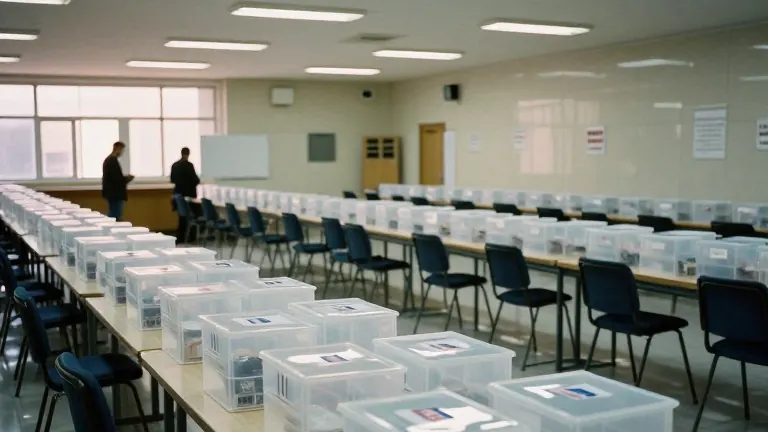
The Supreme Court's decision to extend voting by two hours is central to the dispute. An analysis of electoral records by Insper professor Pedro Burgos indicates that fewer than 35,000 votes were cast during this additional period. This figure represents approximately 0.03% of the total votes, a small fraction that complicates efforts to overturn a clear majority in favor of Lula.
Vice President Geraldo Alckmin responded to the U.S. president's comments during a television interview with Rede Vanguarda. Alckmin described Trump's remarks as totally wrong and unfounded, defending the integrity of Brazil's electoral system. The comments add a layer of diplomatic friction to the transition, as Lula prepares to begin what will be his fourth term in office.
Investors reacted sharply to the political uncertainty and the shift in power. The Brazilian stock exchange recorded its steepest one-day fall since 2020. Andres Abadia, chief Latin America economist at Pantheon Macroeconomics, noted that the initial selloff might moderate as election-related positions are unwound. However, Abadia emphasized that investors will demand convincing fiscal commitments before rebuilding their exposure to Brazilian markets.
Lula's victory defied polling data and global trends of anti-incumbent sentiment. Pollsters attributed the win to higher-than-expected voter turnout and an improved social media strategy. While Lula campaigned on his record of reducing poverty and inequality, his administration now faces a challenging legislative environment. The Brazilian Congress has moved further to the right, with a surge of conservative voters in the first round of the general election increasing the number of Bolsonaro allies in the legislature.