Israelis cast ballots in tight race to replace or keep Netanyahu
Early turnout reached 17% in the first three hours, the highest since 1981, as over 7 million eligible voters decide the fate of the government amid ongoing conflicts.
By Evelyn Ellis ·
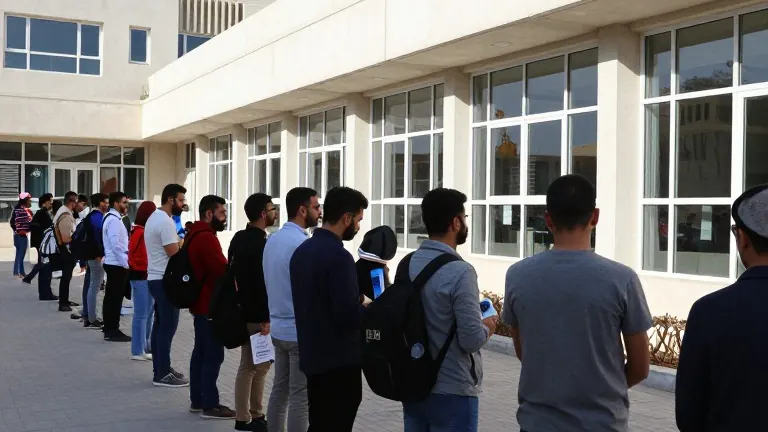
Voters across Israel went to the polls on Tuesday to choose the next government in a contest that has drawn tens of thousands of citizens back from abroad. The election marks the first national vote since the October 7, 2023 attack by Hamas, which triggered a war in Gaza and a series of regional conflicts. Prime Minister Benjamin Netanyahu faces a challenging race against former military chief Gadi Eisenkot, with opinion polls indicating a tight contest for power.
Early results show strong participation. The Central Elections Committee reported that almost 17% of eligible voters cast their ballots in the first three hours. This figure represents the highest turnout by that time since 1981. More than 7 million people are eligible to vote, and approximately 330,000 young Israelis are voting for the first time, many of them facing compulsory military service.
The race centers on security and the identity of the state. Netanyahu’s coalition, composed of religious and ultranationalist parties, argues that he has guided Israel through multiple wars and protected its Jewish identity. His supporters view him as a steady hand who has kept the judiciary in check. Critics, however, say he has prolonged the war in Gaza for political reasons and is undermining democratic institutions while allowing ultra-Orthodox Jews to avoid military service.
Gadi Eisenkot leads the opposition effort. His Yashar party and potential allies promise to improve Israel’s international standing and conscript ultra-Orthodox men. Eisenkot is seen by supporters as a leader with strong security credentials who understands the pain of the conflict personally. His son and two nephews were killed in Gaza. Early Tuesday, he visited communities attacked on October 7, stating that any responsible government leader would start the day there.
Political dynamics remain complex due to Israel’s fragmented parliament. No single party has ever won an outright majority, forcing leaders to build coalitions. It is possible that neither side has enough support to form a government, which could lead to weeks of negotiations. Arab-led parties, including the Ra’am party, could become key decision makers if they agree to support one candidate. Mansour Abbas, the head of Ra’am, said his party’s vote would change the government and hoped for a turnout of over 70% in Arab communities.
Tensions are high among voters and politicians alike. Itamar Ben-Gvir, the far-right national security minister, warned that if Netanyahu does not win, it will be Mansour Abbas’ government. In Kiryat Shmona, a border town and Netanyahu stronghold, a man tore down a poster of Eisenkot. In Tel Aviv, families of victims and former hostages held a moment of silence before polls opened. Yona Adam, whose daughter Mapal was killed on October 7, urged voters to remember those whose voices are no more.
Netanyahu has intensified threats against Iran ahead of the vote. He appeared in a video standing beside a missile defense battery, warning Tehran it would face a devastating blow if it attacked Israel. Outside of Israel, the election is also seen as a referendum on the country’s reputation. Support among Americans has dropped, and European partners have imposed sanctions in recent months due to conduct in Gaza and settler violence in the West Bank.
Eisenkot’s campaign filed an urgent complaint regarding nine incidents where ballot slips were missing, damaged, or turned over inside voting booths. The party suggested this was a systematic and deliberate attempt at sabotage. Dean Livne, the acting director-general of the elections committee, stated that the number of reported irregularities was much lower than in previous elections. In Jaffa, voter Nisso Shitrit described the choice as deciding who serves and who evades service in building the country.