Pope Leo XIV to Visit Cusco Days After Archbishop's Death
Two Peruvian bishops died in October, with the Cusco archdiocese preparing for the pontiff's Nov. 15 arrival.
By Bruno Morales ·
Pope Leo XIV will arrive in Peru on Nov. 6 for a trip spanning Uruguay, Argentina, and Peru that concludes Nov. 17. This is the longest journey of his papacy. The itinerary includes a stop in Cusco on Nov. 15, a date now marked by the recent deaths of two local bishops.
Archbishop Richard Daniel Alarcón Urrutia of Cusco died on Oct. 30 at age 74. Peruvian media reported he had suffered from a long illness. He was serving as the head of the archdiocese scheduled to host the pope more than 11,000 feet up in the Andes.
Bishop Jorge Pedro Carrión Pavlich of Puno died one day later, on Oct. 31. He was 76. A social media statement from the cathedral in Puno confirmed his death. Peruvian media noted he had died from an undisclosed illness. His diocese serves communities around Lake Titicaca, the highest navigable lake in the world.
In a telegram sent on Nov. 1, Pope Leo addressed Coadjutor Archbishop Lizardo Estrada Herrera of Cusco. The pope described Alarcón as a self-sacrificing shepherd who dedicated his life to the service of God and the Church with great faithfulness. The pontiff offered prayers for the eternal repose of Alarcón's soul.
Estrada Herrera will automatically succeed Alarcón. Pope Leo elevated him to the rank of coadjutor archbishop in August. This designation means he takes over the position upon the retirement or death of the current archbishop.
Doctors have cleared the 69-year-old pope to travel despite a surgery earlier this month. He had the lower part of his right lung removed in early October. The medical team granted permission for the South American tour.
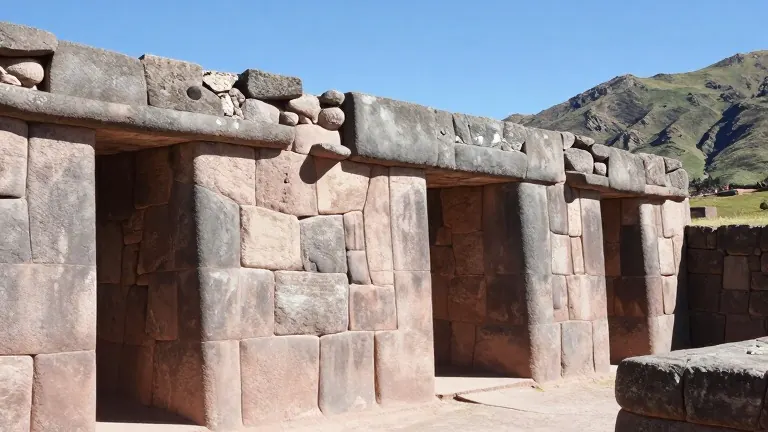
The Cusco program includes a large gathering at the Saqsaywaman archaeological site. The pope is scheduled to speak there about popular piety. He will also lead the Angelus prayer with the faithful outside the local cathedral.
Alarcón, who was born in Lima and joined the Franciscan Order, served as a parish priest in Cusco before being appointed bishop of Tarma by St. John Paul II in 2001. Pope Francis appointed him archbishop of Cusco in 2014.
In a 2026 interview with the Archdiocese of Lima program Fe y Realidad, Alarcón described the region as a Marian people. He said the pope would provide guidance on channeling popular Marian devotion into Christian commitment, ensuring it does not remain merely folklore.
Veronique Lecaros, head of the theology department at the Pontifical Catholic University of Peru, recalled Alarcón's egalitarian style. She noted that although his Quechua was not perfect, he reached out to people and remained close to them.
Alarcón said he would arrive in remote mountain villages without advance notice to see how everyone was doing. He stated this approach helped him understand the strong presence of the church in those areas.
He embraced the vision of synodality promoted by his predecessors. Alarcón said the effort aimed to enable communities where Quechua is spoken to find their own voice within the church, broadening participation so they become active members rather than mere spectators.