Lula Defies Polls to Win Brazil’s Presidential Election
The 80-year-old leader secured 51.8 percent of the vote in a second-round upset, reversing a first-round loss and challenging the region’s rightward political trend.
By Andres Smirnov ·
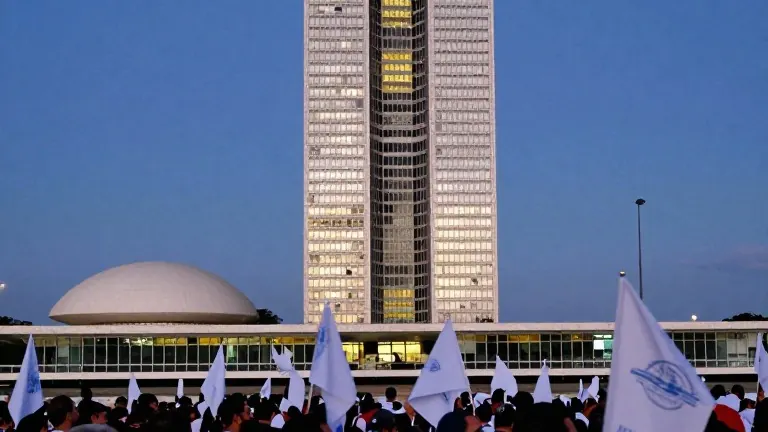
Luiz Inacio Lula da Silva stood at 80 years old as he claimed victory in Brazil’s presidential election. The incumbent president defeated Flavio Bolsonaro in the second round, capturing 51.8 percent of the vote against his rival’s 48.2 percent. The result overturned the first-round outcome, where Bolsonaro had led by a narrow margin of two percentage points. Polls entering the final stage had predicted a different finish, leaving Lula’s comeback as a surprise to analysts and observers alike.
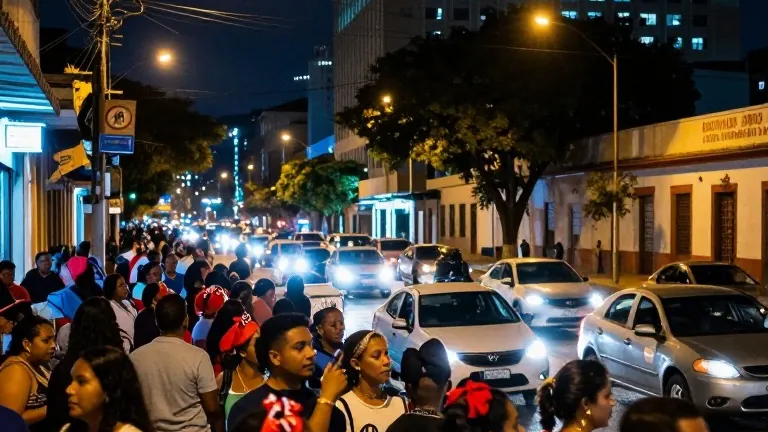
The campaign shifted dramatically after the initial shock of the first-round defeat. Lula’s Workers’ Party transformed its earlier sluggish effort into a mobilization focused on democracy and sovereignty. Young voters played a central role in this grassroots surge. The campaign also navigated technical challenges, including alleged algorithmic bias on social media platforms that favored Bolsonaro. This renewed energy allowed the incumbent to close the gap and secure the mandate.
Lula’s administration entered the election with strong economic indicators. Brazil’s economy grew by a cumulative 9.2 percent between 2023 and 2025. This outperformed the 5.6 percent average growth rate of its South American neighbors. Unemployment dropped from 9.3 percent in 2022 to a historic low of 5.4 percent in 2026. The country also exited the United Nations Hunger Map in 2025, a reversal of a trend established during the previous administration. Deforestation in the Amazon fell to levels not seen in decades.
Despite these macroeconomic wins, social discontent persisted. Millions of Brazilians remained burdened by high-interest credit-card debt. The rise of online gambling also strained family budgets. In response, Lula introduced bold policy measures. These included a debt-relief initiative, restrictions on online betting, and expanded social benefits. The government also moved to transition the standard workweek from six days to five.
Flavio Bolsonaro presented a contrasting platform. He proposed sweeping spending cuts, privatizations, and lower taxes. His approach to public safety emphasized a tough stance on crime. Bolsonaro pledged to build five maximum-security prisons modeled on the system in El Salvador. He also proposed authorizing lethal force against heavily armed criminals. On the judicial front, Bolsonaro promised to pardon his father, Jair Bolsonaro, who is serving a 27-year sentence for plotting to overturn the 2022 election. He also pledged clemency to those convicted of the January 8, 2023, assault on Brazil’s democratic institutions.
The election took on an international dimension due to the involvement of the United States. President Donald Trump’s administration has intervened in Brazilian politics during Lula’s term. The US imposed punitive tariffs and sanctioned a Brazilian Supreme Court justice involved in Jair Bolsonaro’s prosecution. In May, Trump received Flavio Bolsonaro at the White House. Two days later, Secretary of State Marco Rubio designated Brazil’s two largest crime organizations as foreign terrorist organizations. This move had been publicly requested by Flavio Bolsonaro.
These designations carry strategic implications. They potentially allow for US military operations on Brazilian territory under Washington’s expanding war on narcoterrorism. Lula has defended Brazil’s strategic autonomy, arguing that cooperation against organized crime must respect national sovereignty. He framed the election as a choice between a sovereign Brazil and one aligned with Washington’s geopolitical agenda.
The result disrupts a pattern of right-wing electoral successes in the region. Since Trump returned to the White House, the right has won elections in Honduras, Chile, and Bolivia. Lula’s victory suggests this momentum may be slowing. In Argentina, President Javier Milei, a supporter of Bolsonaro, has seen his approval ratings decline ahead of next year’s election. In Chile, President Jose Antonio Kast has also suffered a drop in public support. Mexico’s President Claudia Sheinbaum benefits from the result, as Lula’s defeat would have left her more isolated in a region leaning toward the US.
Lula’s win positions Brazil to maintain its course independent of US hemispheric military dominance. The outcome signals that the far right’s advance in the region is not inevitable. Brazil will not join Trump’s proposed Shield of the Americas. The election result confirms the Brazilian electorate’s preference for a sovereign path, marking a definitive shift in the country’s political direction.