Lula Stuns With Fourth Term
The 80-year-old leader defeated Senator Flavio Bolsonaro in a tight runoff, though the winner is already facing legal challenges over extended voting hours.
By Andres Smirnov ·
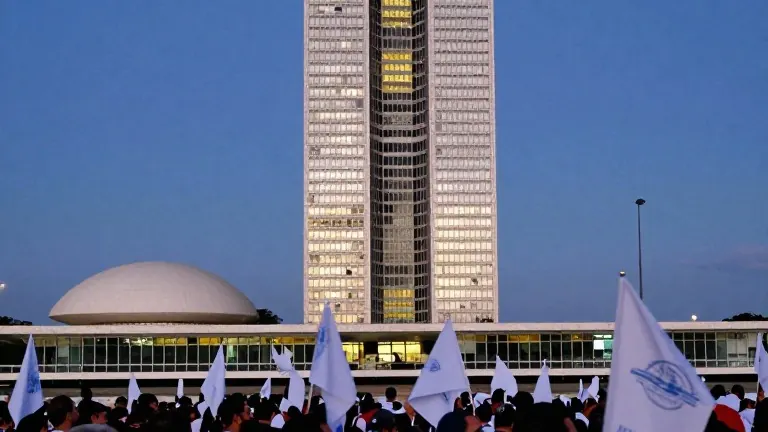
Luiz Inacio Lula da Silva has claimed a record fourth term as Brazil’s president, defeating Senator Flavio Bolsonaro in a runoff that saw the two candidates nearly tied until the final hours. The 80-year-old leftist secured more than 51 percent of the vote compared to Bolsonaro’s 48 percent. Electoral officials confirmed the result once 98.76 percent of ballots were tallied. This victory makes Lula the first candidate in nearly four decades to win after finishing second in the initial round.
Three weeks before this vote, the race looked much tighter. On October 4, Flavio Bolsonaro won the first round with 47.03 percent of the vote, edging out Lula’s 45.16 percent. That gap represented a margin of 2.2 million votes. In the days leading up to Sunday, polls indicated the two men were virtually neck and neck. The outcome remained uncertain until results began flowing from Brazil’s northeast region, a traditional base for Lula’s Workers Party. Bolsonaro’s support is concentrated in the south, southeast, and center-west.
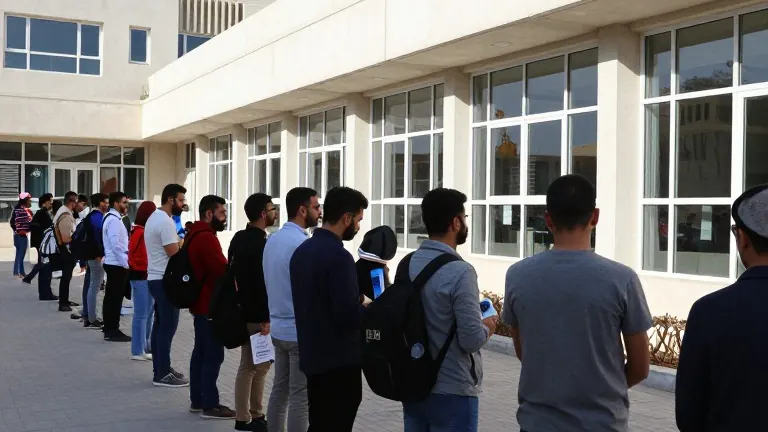
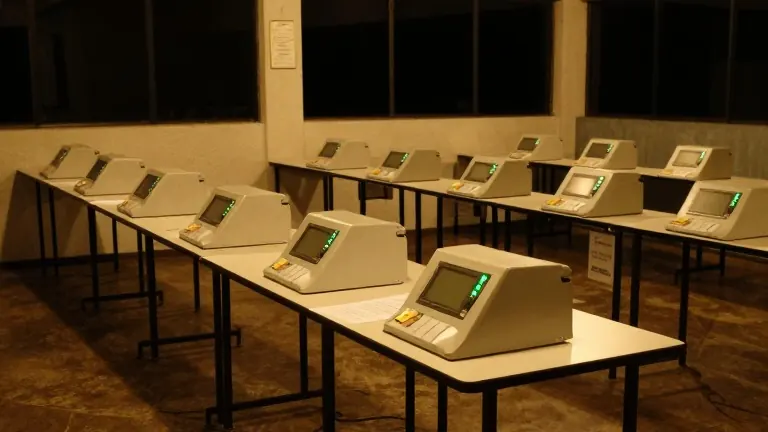
The path to this vote was marked by a late extension that has already sparked controversy. Voting was originally scheduled to end at 5 p.m. Brasilia time. Supreme Court Justice Cristiano Zanin ordered polling stations to remain open until 7 p.m. Both campaigns had requested additional time. Lula’s team argued that local officials cut public transit in several cities, hindering lower-income voters. Bolsonaro’s camp pointed to heavy rain and flooding. In Minas Gerais, 349 polling locations lost power, though machines operated on backup batteries.
The extension created confusion at polling places. Zanin’s order arrived after some stations had already closed and shut down their equipment. The justice later clarified that stations already closed would stay closed. This led to some voters being turned away despite the extended window. Bolsonaro has pledged to annul the vote, accusing Zanin of judicial malfeasance. He noted that Lula appointed Zanin to the Supreme Court in 2023, when Zanin served as his personal lawyer.
"He changes the rules of the game mid-game," Bolsonaro told supporters. He added, "It is impossible to recognise the results of the election." Brazil’s Federal Police are investigating transport disruptions in five states. A court in Salvador ordered the arrest of the city’s transport secretary over claims he directed bus service cuts. Donald Trump Jr. also criticized the extension on social media.
Turnout appears to have shifted the balance. Andrei Roman, head of polling firm AtlasIntel, cited a drop in abstention as a key factor in Lula’s win. In the first round, an estimated 33.4 million Brazilians, or about 21 percent of the electorate, did not vote. That was the highest abstention rate in a general election since 1998. Lula made late appeals to his working-class base, including a promise of free public transport on weekends.
The result also impacts US politics in Latin America. Reuters reported on Saturday that State Department officials pushed for sanctions to weaken Lula and help the Bolsonaro family return to power. US President Donald Trump said on Sunday, "I don't want to get into that, but we are watching." Trump’s son, Donald Jr., is also involved in the diplomatic dialogue. The outcome complicates recent wins by right-wing candidates in the region.
Lula built his campaign on defending Brazilian sovereignty. He cited Trump’s tariffs and comments on Jair Bolsonaro’s trial as signs of foreign interference. In his victory speech, Lula said he had to "overcome interference coming from the outside." He declared the election a "defeat for denialism" and a "defeat for lies." The next steps involve potential legal challenges and political negotiations to settle the dispute over the extended voting hours.