Trump, Qatar Emir Discuss Mideast De-escalation as Yemen Market Strike Kills 30
Telephone diplomacy continues between Washington, Tehran, and regional capitals while Yemeni airstrikes and West Bank detentions complicate the situation.
By Bruno Morales ·
U.S. President Donald Trump spoke by phone with Qatar’s emir on Friday about reducing tensions in the Middle East. The Gulf state leader’s office announced the call as the region remained tense over the possibility of renewed American military action against Iran.
The region has been volatile since the start of the U.S.-Iran conflict. Qatar and other American-allied Gulf nations came under heavy fire from Iran earlier in the war. These countries have expressed anxiety about a new escalation that could expose them to further attacks. Qatar has since positioned itself as a mediator between the United States and Iran to end the war.
The telephone call between Trump and Emir Sheikh Tamim bin Hamad al Thani centered on international efforts to end tensions. The Qatari media office said the two discussed Qatar’s mediation efforts aimed at reaching a comprehensive agreement that ends the crisis and achieves security and stability in the region. Sheik Tamim stressed the importance of continuing dialogue and adopting diplomatic means to resolve disputes. He also highlighted the need to spare the region further escalation and ensure freedom of maritime navigation and the security of energy supplies.
Iran’s Foreign Minister Abbas Araghchi held separate phone calls with his Iraqi and Tunisian counterparts on Friday. In his call with Iraq’s Foreign Minister Fuad Hussein, Araghchi outlined the Islamic Republic’s vision to resume negotiations with the U.S. According to Iraq’s state media, this vision was presented to the U.S. before the midterm elections. It includes reopening the Strait of Hormuz, setting a timetable for the start of negotiations, and adding issues related to Iran’s nuclear program. Araghchi also spoke with Turkey and Gulf leaders earlier in the week about securing freedom of maritime navigation.
Egyptian Foreign Minister Badr Abdelatty spoke with Araghchi on Thursday. Abdelatty stressed the need to prioritize diplomatic solutions. Egyptian Foreign Ministry spokesman Nader Zaki said Abdelatty urged all sides to display flexibility and compromise to reach a political solution and avoid further escalation.
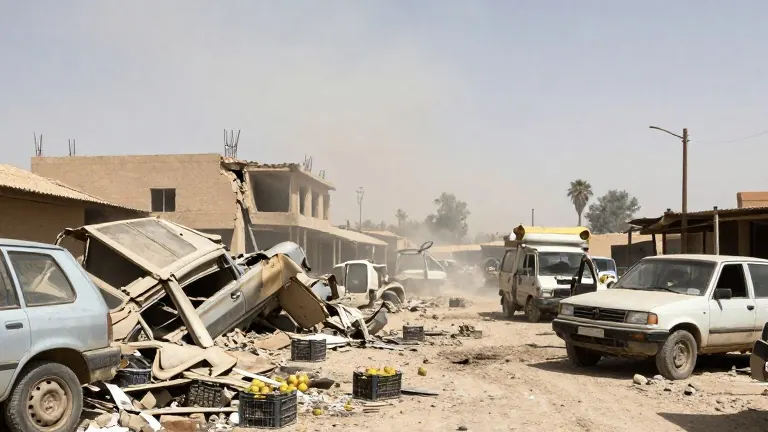
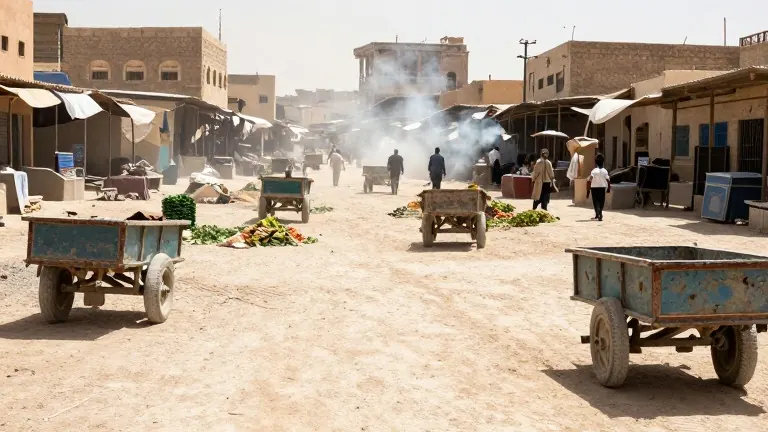
Airstrikes hit a popular market in al-Waziyah, in the province of Taiz, Yemen, on Friday. The Houthi-run health ministry said at least 30 people were killed in the attack. Another eight people were wounded, according to Houthi health ministry spokesperson Anees Alsabahi. Taiz is mostly controlled by the Houthis, who have besieged the provincial capital where the Saudi-allied government is based. The Saudi-backed military and the Houthi rebels traded accusations over responsibility for the strike. The Associated Press could not independently verify their claims.
Italy’s Foreign Ministry said it was seeking the release of several Italians detained by Israeli authorities in the occupied West Bank. The ministry said the group may include four Italian activists and two Italian journalists who were assisting Palestinian farmers during the olive harvest. Officials were still verifying the number and identities of those involved. The detainees are being held at a police station in the Israeli settlement of Modi’in Illit. They are expected to be transferred to a holding facility at Ben Gurion Airport pending deportation on the first available flights.